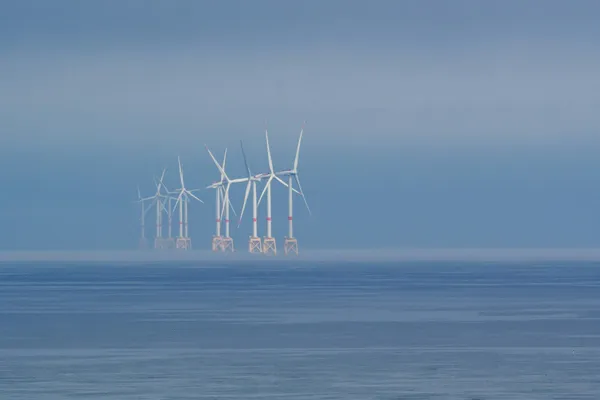
The Ørsted Blue Bond
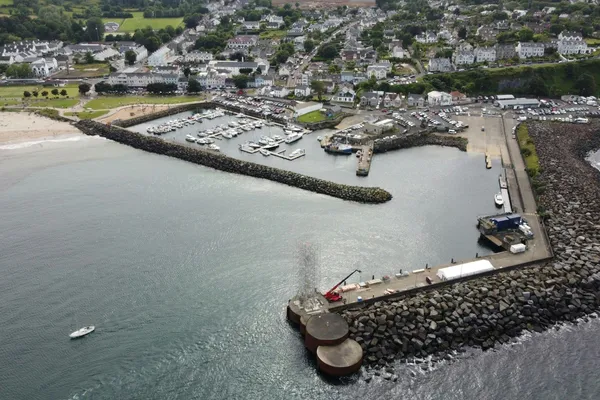
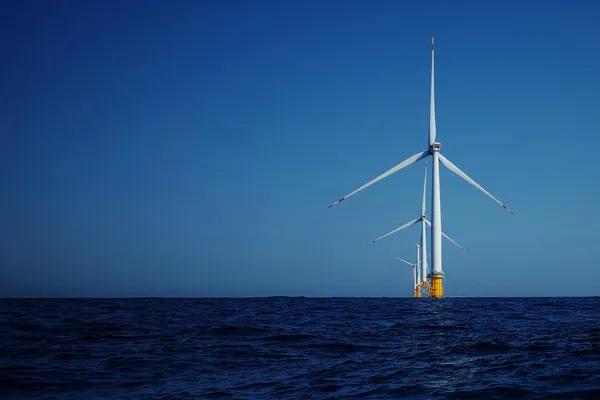
Ørsted borrowed EUR 100 million in 2023 and called it a blue bond. It took until the end of 2025 to allocate, none of it reached sustainable shipping, and the reports never say what any project cost.
ALL ESSAYS
Everything published so far about where Canada’s oceans meet finance, policy and stewardship.
95 pieces
Ørsted borrowed EUR 100 million in 2023 and called it a blue bond. It took until the end of 2025 to allocate, none of it reached sustainable shipping, and the reports never say what any project cost.
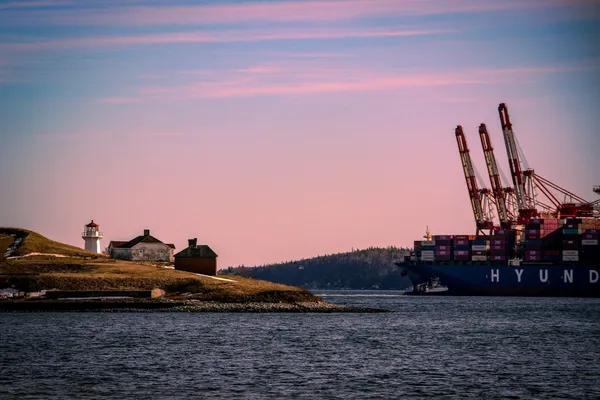
In 2024, more than 250 Canadian financial institutions mapped their loan books against flood and wildfire hazard. What that exercise could see, and what it could not, is the more useful guide to where blue finance stands.
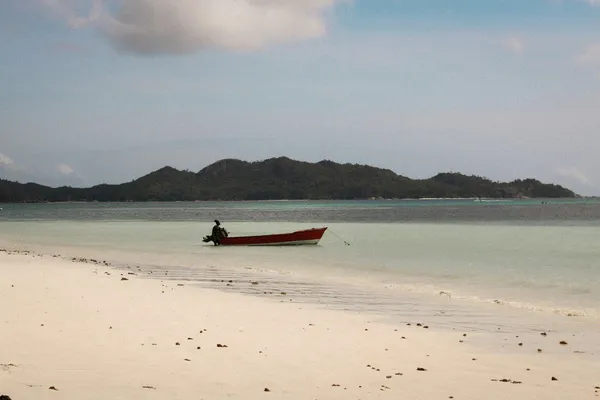
Seychelles raised USD 15 million in 2018 and carried a cost of funds of 2.8 percent. Following the money through the guarantee, the concessional loan and the two funds it capitalized shows which parts worked.
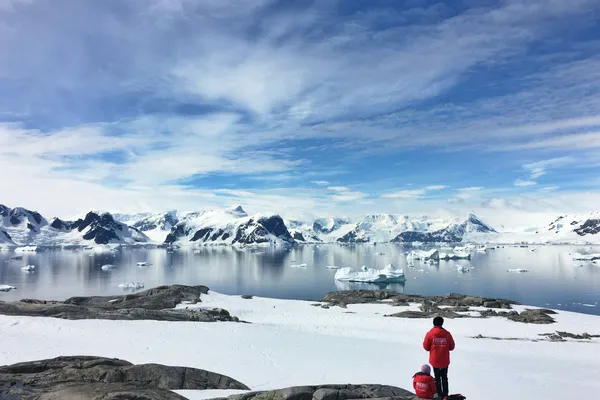
Antarctica is the one place where governments negotiated a full regime for mining, spent six years on it, and then walked away and banned the activity instead.
The High Seas Treaty, formally the BBNJ Agreement, creates the first process for protecting biodiversity in the two-thirds of the ocean beyond any country's jurisdiction. It entered into force in January 2026. What it can do, what it cannot, and why Canada is not yet a Party.
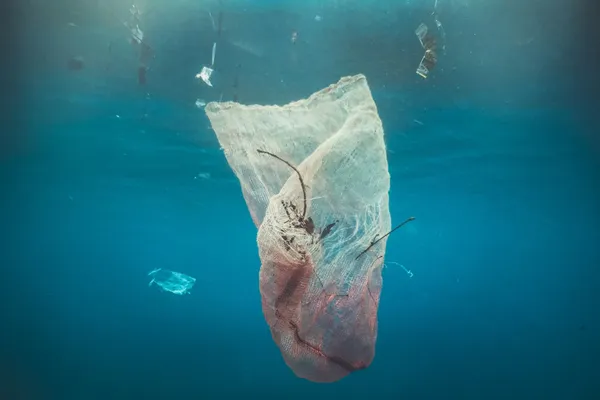
The Great Pacific Garbage Patch is not a floating island of bottles and bags. By count it is mostly tiny fragments, but by weight more than half is nets, ropes and fishing lines. How that material gets there explains what the patch really is.
Canada built the financing structure the conservation world now copies, and it works. It also set out to establish sixteen new marine protected areas by 2025 and established one. The part of that shortfall money could have fixed is smaller than it looks.
The term blue economy was argued into existence in 2011 by countries that are mostly on the water. It took another seven years to become something an investor could buy.
Canadian banks can classify a sustainable asset, sell a federal bond that funds marine conservation, and structure a blue bond in Mexico. What I cannot find is the condition of the ocean inside a Canadian credit decision.
Finance almost never touches the ocean directly. It funds a vessel, a plant, a wharf upgrade. Understanding that chain, from a credit decision to an ecological outcome, is where blue finance starts.
The question in April was which projects a CAD 25 billion federal fund would carry that were not being carried already. A September update on what has and has not been settled since.