The Ørsted Blue Bond
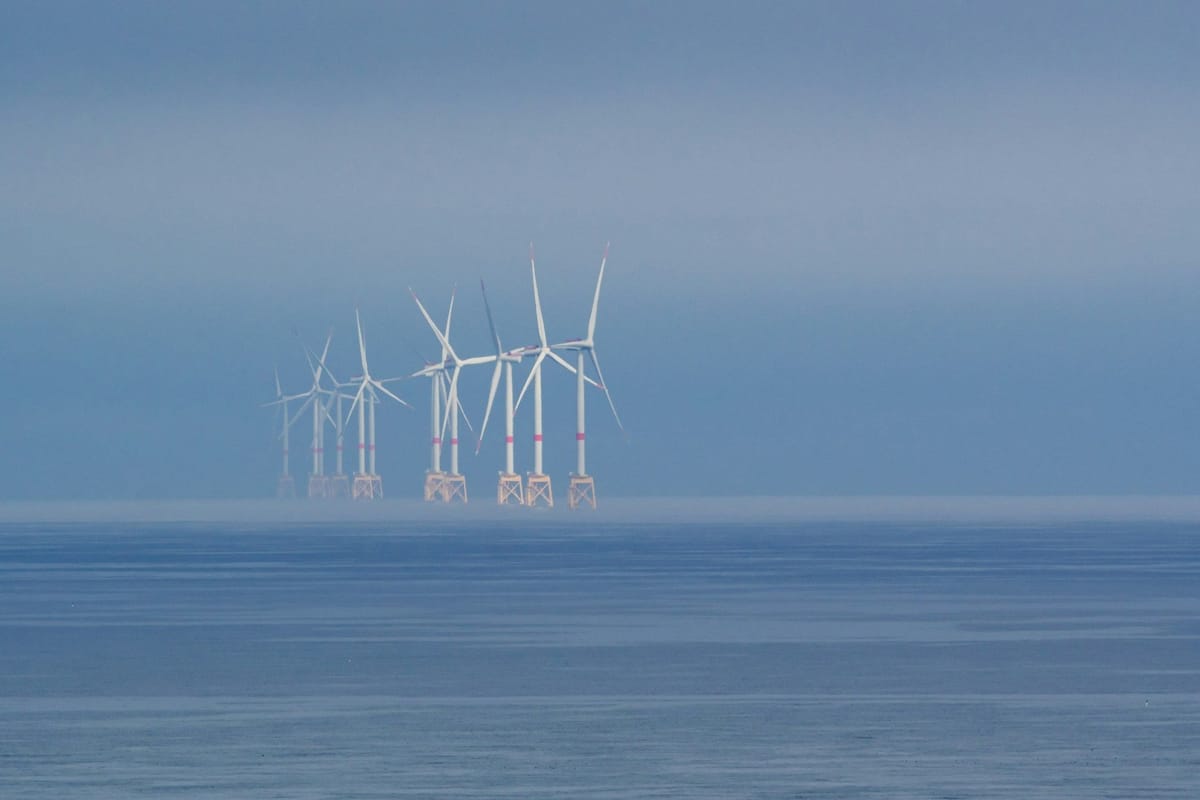
The Ørsted Blue Bond extends blue finance beyond government issuers, showing how corporate financing can be linked to offshore wind and marine ecosystems.
Offshore wind projects are large, complex undertakings. They are built in open ocean environments, far from shore, where construction, installation, and maintenance depend on weather, seabed conditions, and access. These projects require significant upfront capital and are developed over long timelines, with multiple stages of permitting, engineering, and coordination. They also operate alongside existing uses of the ocean. Shipping routes, fisheries, and marine ecosystems all factor into how projects are planned and approved, influencing both timelines and cost. Capital is committed over long periods, and assumptions about performance, maintenance, and operating conditions extend well beyond initial construction.
In 2023, Ørsted, one of the world's largest offshore wind developers, issued a blue bond. The proceeds were allocated to offshore wind projects and to initiatives related to marine biodiversity. This marked a notable step in the progression of blue finance, which until then had been led primarily by governments.
A corporate bond allows a company to raise funds from investors with a commitment to repay those funds over a defined period. The repayment is supported by the company's overall cash flow, and in a standard corporate bond the funds raised are not tied to a specific use. They are applied across the company's operations and capital programs. In this case, the use of proceeds was defined in advance. The funds were directed toward activities connected to the ocean, including the development of offshore wind and measures intended to address impacts on marine ecosystems. Reporting was required to show how the funds were applied. Some of these uses do not generate direct financial returns. They relate to how projects are designed and how they operate within their surrounding environment. For bondholders, repayment does not depend on these specific activities producing cash flow. It depends on the company's overall financial position and its ability to meet its obligations.
Offshore wind projects are constructed and operated within marine environments, which introduces considerations that are not present in land-based infrastructure. Foundation design, installation methods, and ongoing maintenance all depend on ocean conditions, and interactions with marine life and other ocean users are part of project planning and approval. Financing in this context is connected to those conditions. It influences how projects are structured and how risks are assessed over the life of the asset. The bond structure links capital to specific activities within that environment, incorporating environmental considerations into how projects are financed, including activities that do not generate direct revenue, with repayment continuing to rely on the company's overall cash flow. For Ørsted, this approach can support access to a broader group of investors and, in some cases, more favourable pricing. It also aligns the structure of financing with the conditions under which these projects are developed, where environmental requirements and long-term operating considerations are already part of delivery.
This example extends the application of blue finance beyond government issuers, showing how a corporate borrower can use existing financing tools to direct capital toward defined activities, with conditions attached to how those funds are used. It also shows that this approach can be applied in sectors where the connection to ocean systems is direct. Offshore wind is one example, and similar considerations arise in shipping, ports, and other marine-related industries. The structure itself is not new. What distinguishes it is how it is applied.
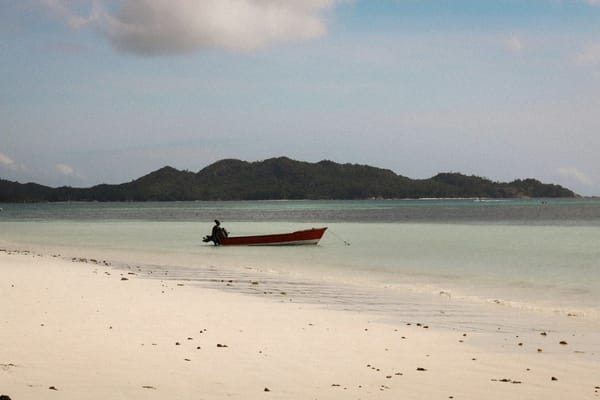
The Ørsted example sits alongside earlier government issuances such as the Seychelles blue bond. Both link capital to defined uses, operating in different contexts. The Seychelles bond is tied to national policy and resource management, while the Ørsted bond is tied to project development and corporate activity. Together they illustrate how the same approach can be deployed at the level of individual projects and operating assets, extending the reach of blue finance beyond sovereign borrowers.
The bond does not resolve the broader pressures affecting ocean systems. It provides one example of how financing can be structured to reflect those conditions. As more activity takes place in the ocean, the connection between capital and those conditions becomes more direct, and decisions about how projects are financed influence how they are designed and how they operate within marine environments.