The Seychelles Blue Bond

The Seychelles Blue Bond explained, including how bonds work, how the structure was designed, and how financing was linked to ocean outcomes.

Share
The Seychelles Blue Bond
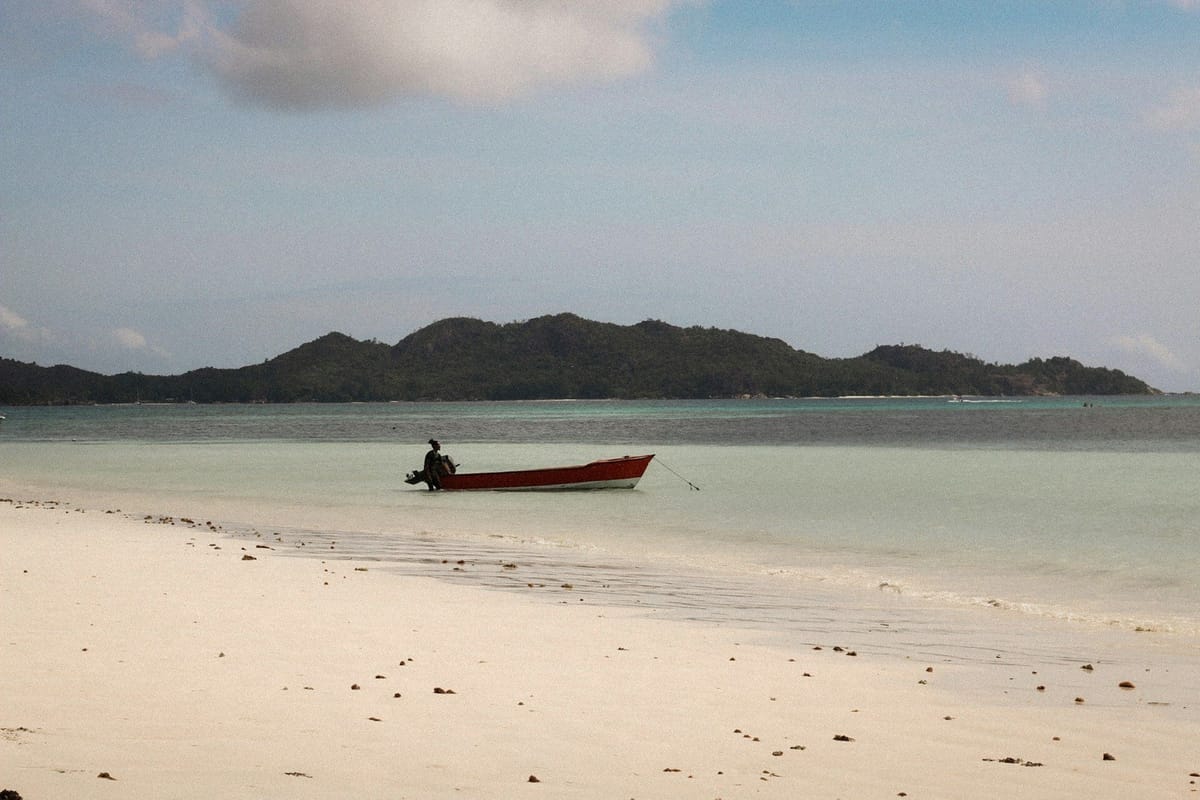
Photo by Kaja Reichardt / Unsplash

Small island states depend heavily on the ocean for food, employment, and economic activity. At the same time, they face pressures on fisheries, coastal ecosystems, and public finances. These factors are connected but rarely managed within the same framework.

In 2018, the government of Seychelles issued what is widely regarded as the first sovereign blue bond. The objective was to raise capital that could be directed toward fisheries management and marine conservation, while also linking that funding to specific policy commitments.

A bond is a form of borrowing. Governments issue bonds to raise money from investors, with a commitment to repay that money over a defined period, typically with interest. The repayment period can range from a few years to several decades, and repayment is supported by the government's overall finances rather than by the specific activities the bond funds.

Most government bonds are not tied to a particular use. The funds are raised and then allocated across a range of public spending. A blue bond is distinct in that the use of proceeds is defined in advance. The funds are directed toward ocean-related activities, and there are expectations around how those funds are applied and reported. Not all of these activities generate direct financial returns. In many cases, the objective is to support the long-term management of natural systems rather than to fund assets that produce immediate revenue.

The Seychelles blue bond raised USD 15 million. As a small island state, Seychelles would typically face higher borrowing costs when raising funds in international markets. The structure included support from international institutions, including the World Bank and the Global Environment Facility. The World Bank provided a partial guarantee, which reduced the risk for investors and made it possible for Seychelles to borrow on more favourable terms. Concessional funding from the Global Environment Facility further lowered the overall cost. The proceeds were directed through a national financing mechanism to support fisheries management and marine conservation, covering activities such as improving governance, expanding protected areas, and strengthening monitoring. The use of funds was tied to specific objectives, and reporting was required to show how the money was being applied.

The bond was part of a broader effort to change how marine resources are managed. Seychelles committed to protecting 30 percent of its marine area, supported by the development of a national marine spatial plan. This introduced a more structured approach to how ocean space is allocated across conservation, fishing, and other uses. The financing supported adjustments to fisheries management and the development of longer-term plans for how ocean resources would be used. It was connected throughout to policy decisions, regulatory changes, and ongoing management rather than operating as a standalone financial instrument.

The Seychelles blue bond illustrates how financing can be linked to specific outcomes. It works within existing government structures, with more defined expectations around how funds are used. It also illustrates the role of external support. International institutions helped structure the transaction and reduce risk in ways that made the bond viable for a small sovereign borrower. While this example involves a national government, the same approach can be applied in other contexts, including private-sector projects where financing is tied to defined activities and reporting requirements.

The bond does not resolve the broader pressures facing ocean systems. It provides one example of how capital can be directed toward specific activities, with conditions attached to how those funds are used. Financing determines not only how much capital is raised but what it is used for, including activities that do not generate immediate financial returns but influence how ocean systems are managed.