The Origins of Blue Finance

Blue finance developed gradually as separate streams of work in environmental policy, development finance, and ocean science converged around a common problem.

Share
The Origins of Blue Finance
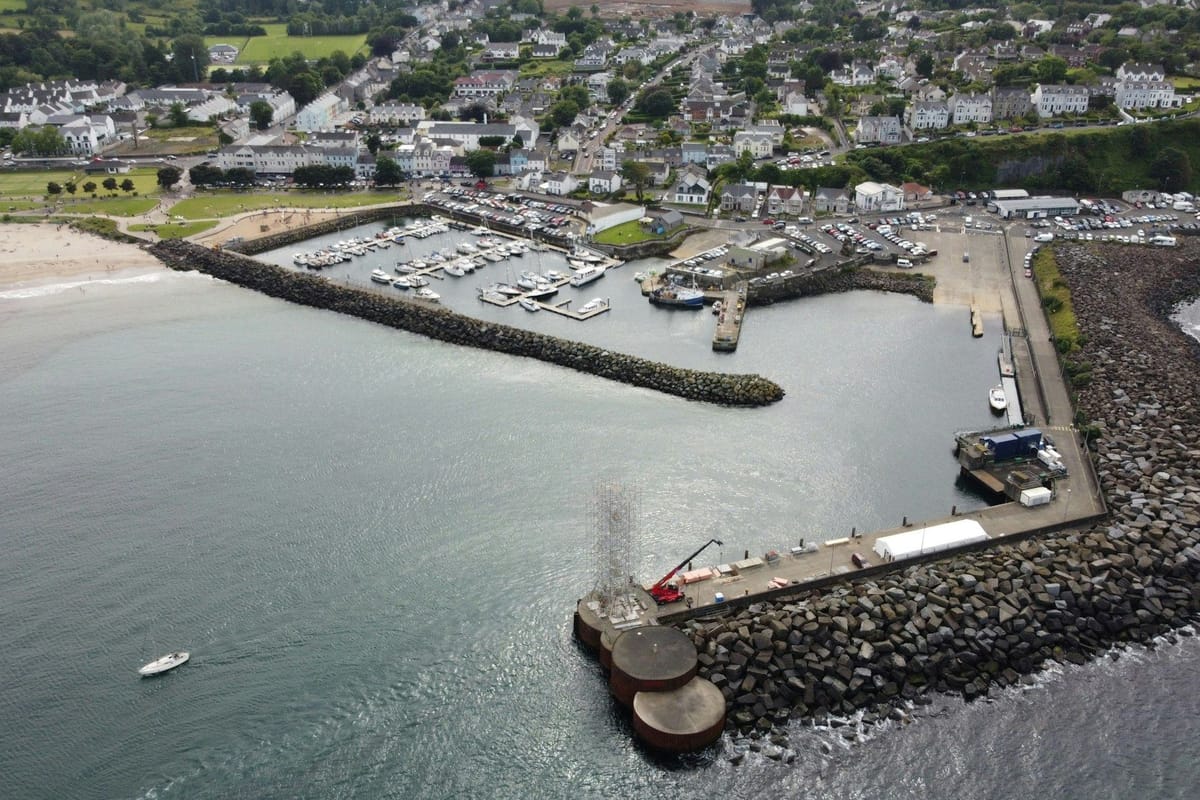
Photo by Geoffrey Moffett / Unsplash

The history of blue finance is largely a history of alignment. Institutions working separately on fisheries, coastal resilience, development finance, and ocean science gradually found common ground, and the field that emerged from that convergence reflects the priorities and tools of each of them.

The earliest relevant work was not described as blue finance at all. Through the 1990s and into the 2000s, international development institutions and conservation organisations were funding programs in fisheries management, coastal resilience, and marine conservation. These programs were evaluated primarily on environmental and social outcomes, with financial considerations treated as a separate layer. The connection between how a project was financed and what ecological outcomes it produced was rarely made explicit, even when that connection was consequential.

That began to change as institutions like the World Bank deepened their engagement with coastal and marine projects through the early to mid-2000s. Working across fisheries, coastal infrastructure, and sustainable development programs, the World Bank started incorporating longer-term environmental considerations into how projects were financed and assessed. This was not a philosophical shift so much as a practical one. Projects that ignored ecosystem conditions tended to produce worse financial outcomes, and recognising that connection improved both the environmental and the financial analysis.

The United Nations reinforced this direction through its broader sustainability frameworks. The introduction of the Sustainable Development Goals in 2015, including Goal 14 on life below water, established a shared global mandate that placed ocean health alongside economic development as a legitimate objective of public policy and public finance. This mattered because it gave institutions a common reference point and created expectations that began to influence how development finance, aid programs, and eventually private capital were directed.

As these threads came together, the term blue finance emerged as a way of naming what was already happening: the deliberate alignment of financial decision-making with ocean-related outcomes. It was not a new discipline so much as a new frame, one that made visible a set of connections that had previously been treated as incidental. The emphasis from the beginning was on working within existing financial systems rather than building parallel ones.

More recently, the United Nations Decade of Ocean Science for Sustainable Development, running from 2021 to 2030, has added further momentum. Its focus on improving the data and scientific understanding that underpin ocean decision-making is directly relevant to finance, since better information enables more precise risk assessment and more credible investment cases. The gap between what financial institutions can measure and what their decisions affect has always been part of the problem, and closing that gap depends significantly on the quality of available data.

What these developments share is a pattern of gradual alignment rather than breakthrough. Institutions that were working separately, on fisheries, on coastal resilience, on sustainability frameworks, on financial risk, have progressively found common ground. The tools being used in blue finance today are not new. They are existing instruments, credit structures, risk frameworks, investment vehicles, being applied with a more deliberate understanding of how ocean systems and financial systems interact. That is both the origin of the field and its current direction of travel.