The Basics
What Financial History Can Teach Us About Blue Finance
Amsterdam in 1609, Lloyd’s coffee house and a Chicago grain elevator all turn on the same question: what has to exist before a stranger will finance something they cannot inspect?
The core ideas behind blue finance, covering how economic activity connects to ocean systems in practice and what those connections produce.
The Basics
Amsterdam in 1609, Lloyd’s coffee house and a Chicago grain elevator all turn on the same question: what has to exist before a stranger will finance something they cannot inspect?
The Basics
Blue finance has no governing body. The international rules are voluntary, written by five organizations together. Canada is now writing its own, with marine protection scheduled for a later phase.
The Basics
The ocean economy is counted at two to three trillion dollars a year. That number covers the industries that touch salt water, and it leaves out most of what depends on the ocean without touching it.
The Basics
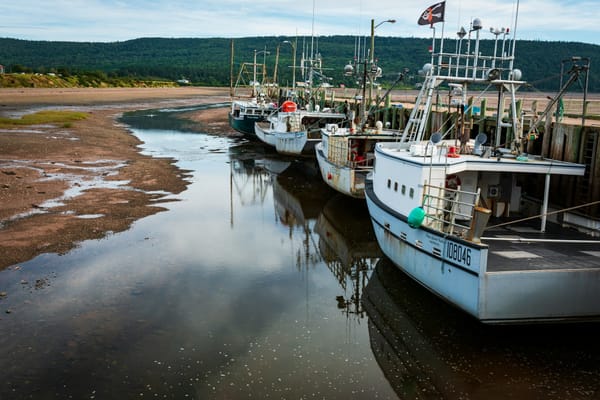
Warmer water puts more energy into a storm, and the storm reaches a wharf, a season's revenue and a credit file. How ocean change arrives in finance before finance sees where it came from.
The Basics
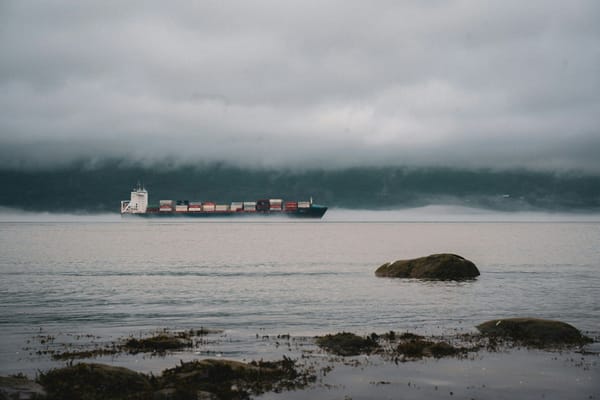
Financing an ocean industry is not the same as blue finance. What the term covers, where its boundary sits, what the major frameworks refuse to fund, and how far Canada has got.
The Basics
Canada has a very large blue economy. That tells you almost nothing about whether its oceans are being financed well. The two get confused all the time, and the confusion is comfortable, which is exactly the problem.
The Basics
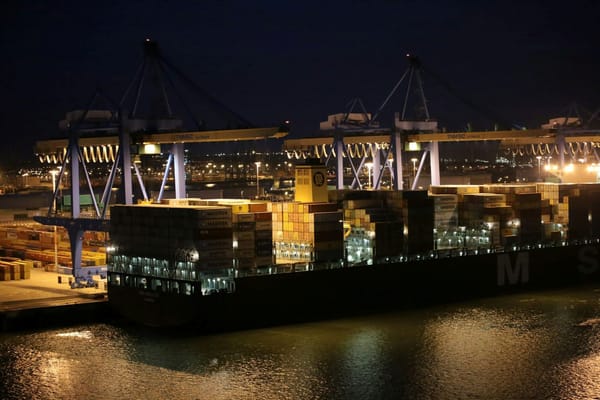
IFC will treat a fish plant as blue only in jurisdictions enforcing sustainable quotas, and offshore wind only after a year of baseline surveys. What blue finance principles change is how far outside a project a financing decision has to look.
The Basics
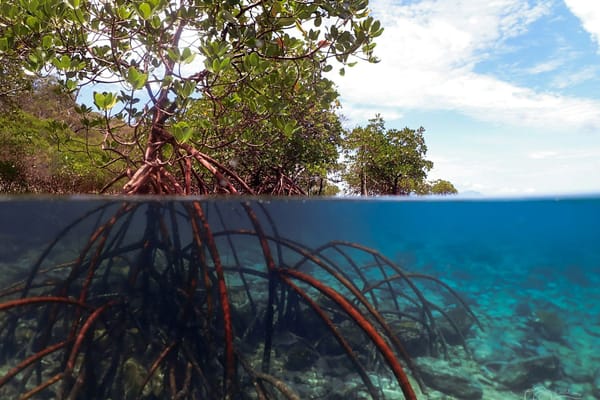
Blue carbon is the carbon held in mangroves, tidal marshes and seagrass meadows, in the plants and in the ground they grow in. How much a place holds, how fast it builds, and whether protecting it helps the climate are three separate questions.
The Basics
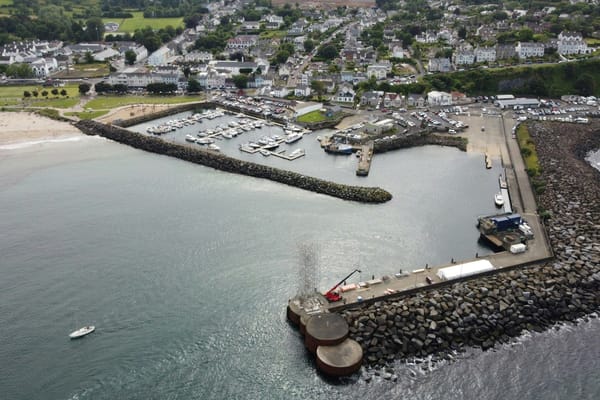
The term blue economy was argued into existence in 2011 by countries that are mostly on the water. It took another seven years to become something an investor could buy.
The Basics
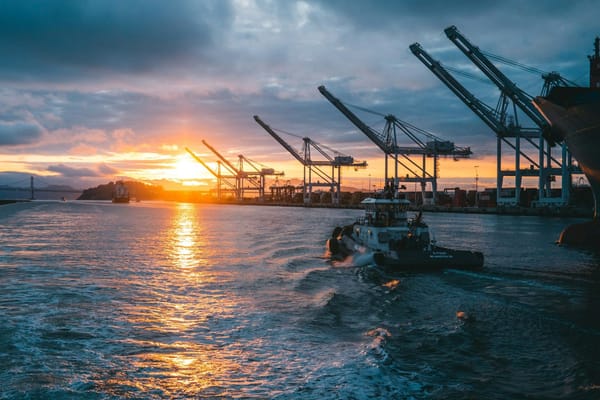
Finance almost never touches the ocean directly. It funds a vessel, a plant, a wharf upgrade. Understanding that chain, from a credit decision to an ecological outcome, is where blue finance starts.