Ocean Life
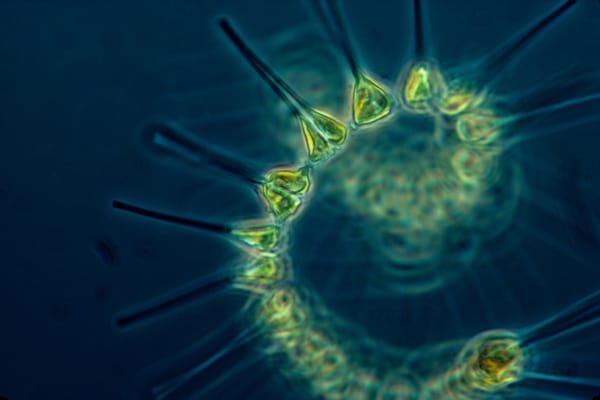
Phytoplankton
In September 2019 the water off Newfoundland turned milky blue in the wrong month. What that colour is made of, and why somebody has been sampling the same spot in Halifax Harbour since 1992.
The living systems that make the ocean productive and alive. Coral reefs, mangrove forests, kelp forests, seagrasses, and salt marshes support biodiversity, protect coastlines, store carbon, and underpin the industries and communities that depend on healthy marine environments.
Ocean Life
In September 2019 the water off Newfoundland turned milky blue in the wrong month. What that colour is made of, and why somebody has been sampling the same spot in Halifax Harbour since 1992.
Ocean Life
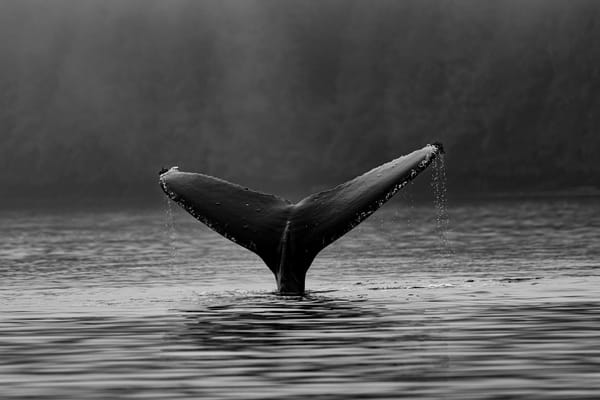
Whale numbers have climbed back from near-extinction. So has their work in the ocean: moving nutrients up through the water, carrying carbon to the seafloor. The waters they returned to are busier and louder, and what happens next depends on how those waters are managed.
Ocean Life
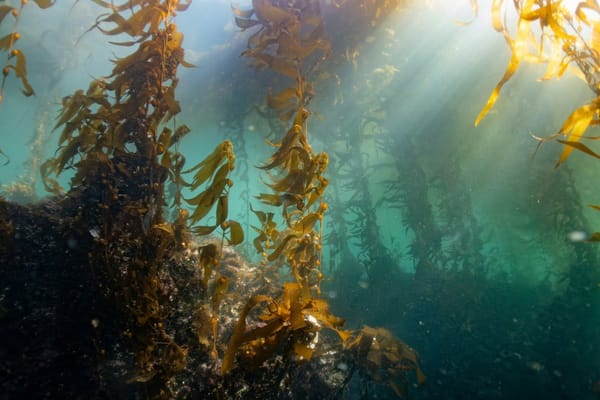
Kelp grows up to half a metre a day and builds underwater forests that rival reefs for biodiversity. Along the BC coast, marine heatwaves, sea star disease, and exploding urchin populations are turning those forests to bare rock.
Ocean Life
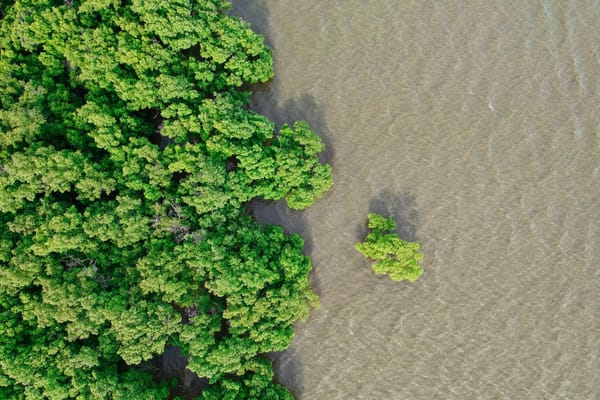
Mangroves grow where no other tree can, rooted in salt water and oxygen-poor mud. They can store several times the carbon of upland forest in the same area, blunt storm waves, and shelter young fish. Cleared, they flip from carbon sink to carbon source.
Ocean Life
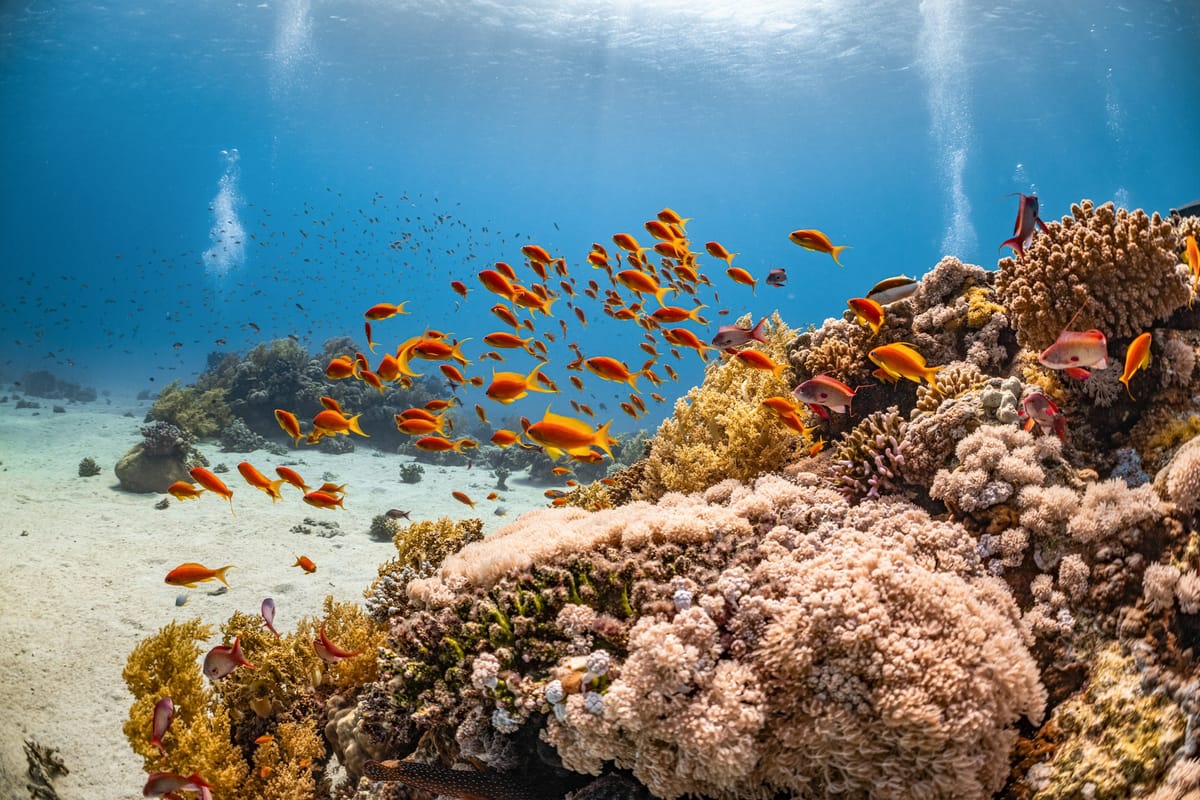
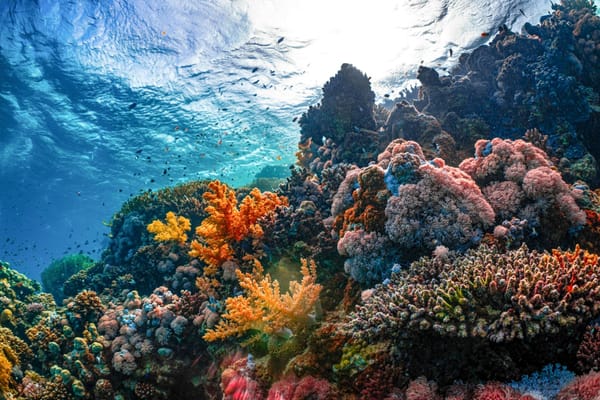
A coral reef is a living structure built by tiny animals. Algae inside the coral feed it and give it its colour. When water warms even slightly past the coral’s limit, the polyps expel the algae and turn white, and if the heat holds, they die. Standing reefs feed fisheries and blunt storm waves.