Taking Stock
How Bankable Is Blue Carbon
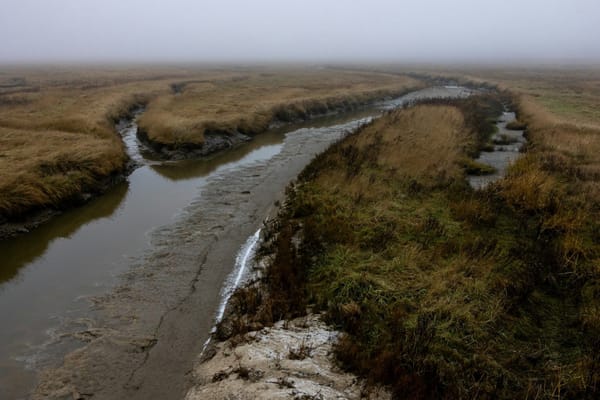
Coastal wetlands store carbon well. A lender needs reliable prices, an issuance record, a committed buyer and risk transfer. Few blue carbon projects yet combine all four, and Canada has not reached issuance.
Taking Stock
Coastal wetlands store carbon well. A lender needs reliable prices, an issuance record, a committed buyer and risk transfer. Few blue carbon projects yet combine all four, and Canada has not reached issuance.
The Players
A fisheries stock assessment does more than count fish. It can determine the quota, license value and borrowing capacity, and in some cases whether a coastal community can finance the economic participation its rights make possible.
Industry Profiles
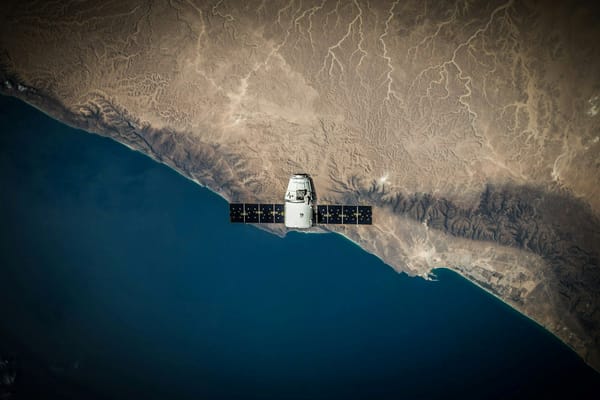
Ocean data in Canada has long been treated as a public good. Three separate pressures are beginning to complicate that assumption, and together they signal that the next decade of Canadian marine technology will need to navigate questions the sector has not previously had to address directly.
Industry Profiles
CARIS began as a small hydrographic software firm in Fredericton and became the global standard used by navies and charting agencies worldwide. It is the exception rather than the rule in Canadian marine technology commercialisation.
Industry Profiles
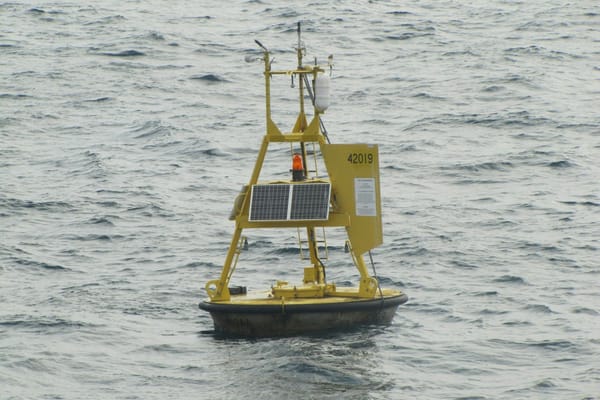
Canada has the longest coastline in the world and some of the sparsest ocean monitoring coverage per kilometre of any comparable coastal nation. That gap is the defining structural feature of Canada's marine technology landscape.
Taking Stock
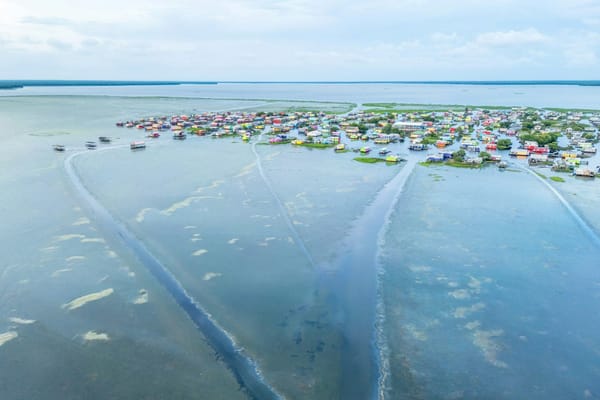
Canadian flood coverage has widened to most of the market, and what insurers still will not write is concentrated in a small number of high-risk homes. What they have learned there is not reaching lenders, governments, or municipalities.

Stressors
Reef decline is gradual and self-reinforcing. Coral gives way to algae, the reef flattens, and recovery gets harder with each event. The protection and fisheries it provided never showed on a balance sheet, so the loss registers only when replacing them becomes unavoidable.
Stressors
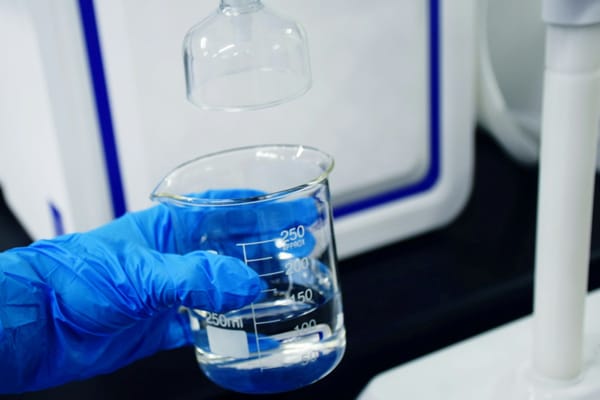
Less than a tenth of all plastic ever made has been recycled. What is already in the ocean cannot be recovered: the particles are too small and too widespread. The response that works is making less plastic in the first place, an industrial and regulatory problem more than a conservation one.
Ocean Life
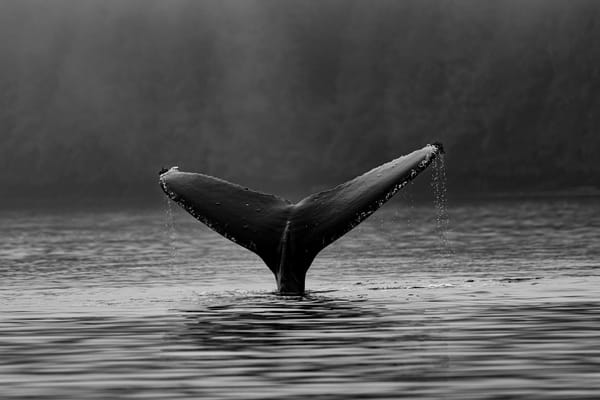
Whale numbers have climbed back from near-extinction. So has their work in the ocean: moving nutrients up through the water, carrying carbon to the seafloor. The waters they returned to are busier and louder, and what happens next depends on how those waters are managed.
Blue Currents
Canada and Quebec put $50 million into a fisheries fund that cannot move money until September. Nineteen Indigenous communities received search-and-rescue boats. Ocean-finance standards are being written for regulators internationally. Canada has no equivalent.
Industry Profiles
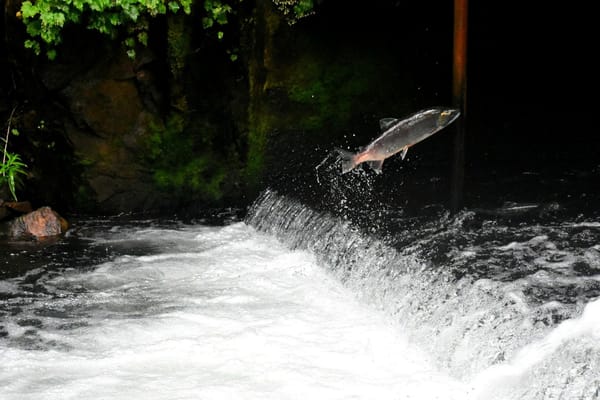
Open-net pen salmon farming ends in coastal BC on June 30, 2029. DFO has launched a systematic review of the sea lice evidence, the peer-reviewed literature points in several directions, and no independent analysis exists of what replacing BC production would cost.
Industry Profiles
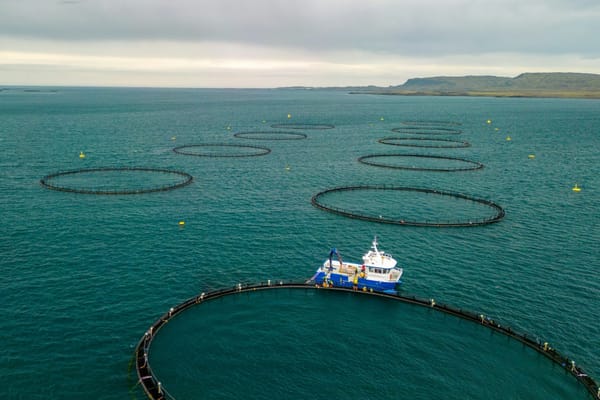
Canadian farmed salmon exports were worth $944.5 million in 2024, and 93.5 percent went to one market. Open-net pen production in BC ends in 2029, with no proven replacement at that volume. The capital to build one has to be committed before a lender has anything to price against.