Finance in Practice
Who Pays to Keep Ghost Gear Out of the Ocean?
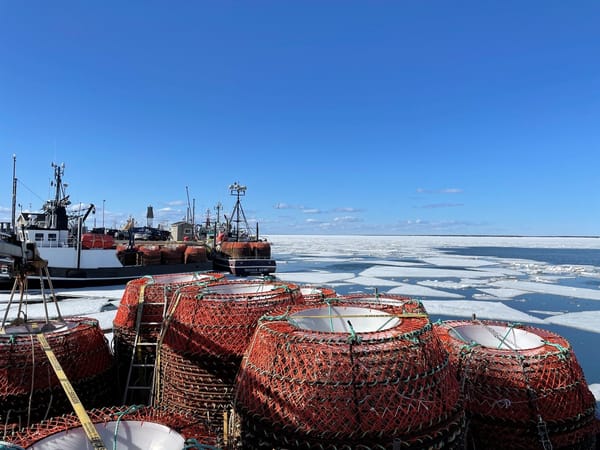
Canada’s ghost-gear work shows why funding for prevention and recovery needs to last beyond a pilot.
See how marine heatwaves, warming, sea level rise, ocean acidification, microplastics and lost fishing gear affect marine ecosystems and coasts, alongside efforts to prevent damage and fund recovery.
Finance in Practice
Canada’s ghost-gear work shows why funding for prevention and recovery needs to last beyond a pilot.
Pressures on the Ocean
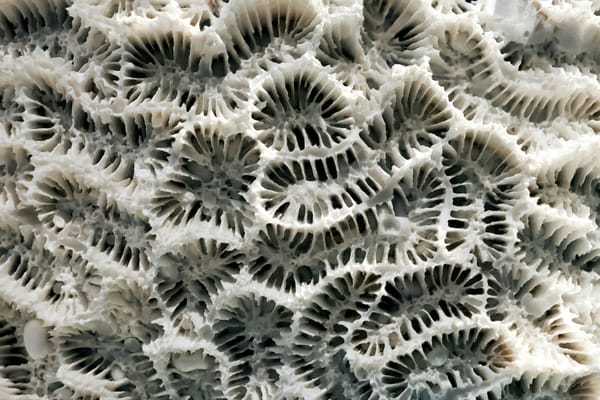
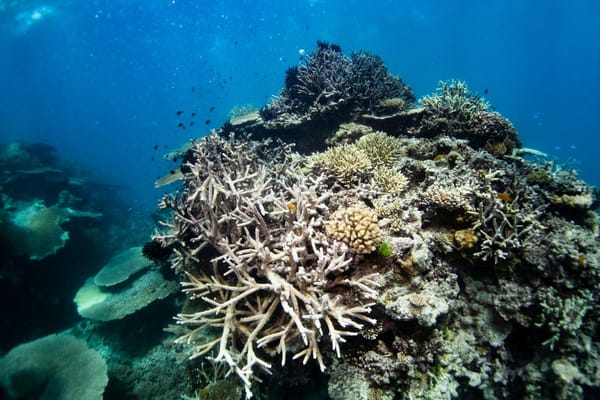
Reef decline is gradual and self-reinforcing. Coral gives way to algae, the reef flattens, and recovery gets harder with each event. The protection and fisheries it provided never showed on a balance sheet, so the loss registers only when replacing them becomes unavoidable.
Pressures on the Ocean
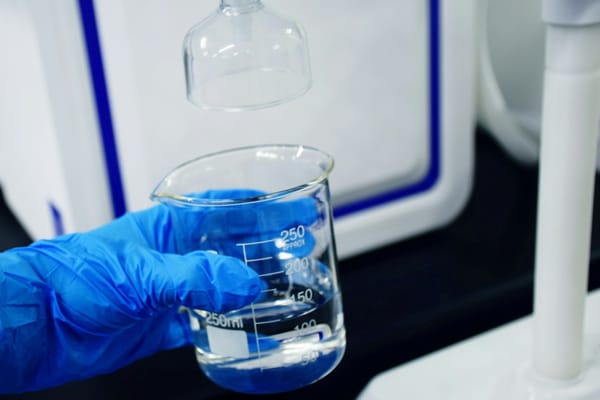
Less than a tenth of all plastic ever made has been recycled. What is already in the ocean cannot be recovered: the particles are too small and too widespread. The response that works is making less plastic in the first place, an industrial and regulatory problem more than a conservation one.
Pressures on the Ocean
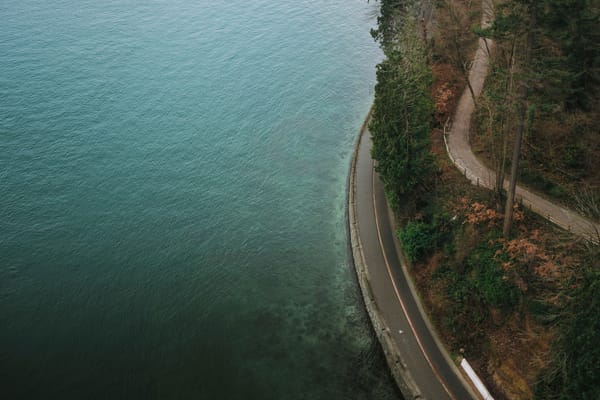
The ocean rose 5.9 millimetres in 2024, above the recent trend. Atlantic Canada, sinking as seas rise, could see a metre by 2100. A major Fraser flood could cost $20 to $30 billion. That exposure is being built and financed now, at conditions the assets were never designed for.
Pressures on the Ocean
Since the industrial era, the ocean’s surface pH has dropped from 8.2 to 8.1, a 26 percent increase in acidity. Shell-building species feel it first, and in BC it already reaches juvenile salmon through the food web. The finance built around those fisheries has not priced it in.
Pressures on the Ocean
From late 2013 to early 2016, warm water in the northeastern Pacific closed fisheries and stripped kelp forests. What a marine heatwave does to the ocean, what it costs, and why those costs reach financial records slowly.
Pressures on the Ocean
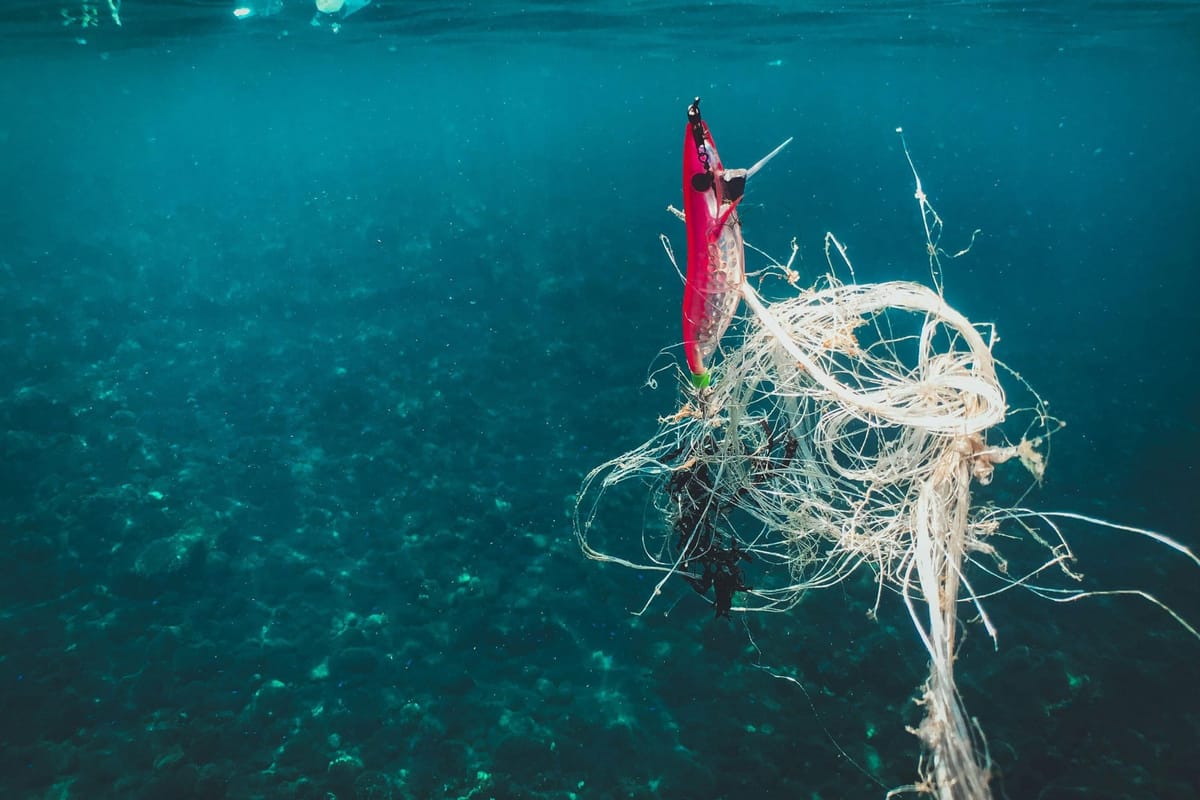
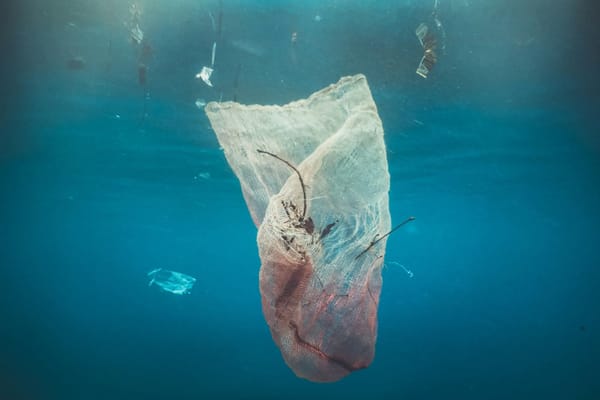
The Great Pacific Garbage Patch is not a floating island of bottles and bags. By count it is mostly tiny fragments, but by weight more than half is nets, ropes and fishing lines. How that material gets there explains what the patch really is.