Analysis & Evidence
Who Checks That Blue Finance Works
Construction lenders use quantity surveyors to verify progress before paying out funds. Blue finance has allocation reports, but lacks independent ecological verification.
How can we tell whether blue finance works in practice? These pieces examine ocean data, risk models, financial records and independent verification, along with where evidence and measurement still fall short.
Analysis & Evidence
Construction lenders use quantity surveyors to verify progress before paying out funds. Blue finance has allocation reports, but lacks independent ecological verification.
Finance in Practice
Ocean observations serve communities, governments and businesses. Financing them requires a clear understanding of who benefits and what each user needs.
Analysis & Evidence
A missed loan payment follows a corporate borrower forever, but a fuel spill rarely does. Why environmental records stay isolated while financial records travel.
Canadian Blue Finance
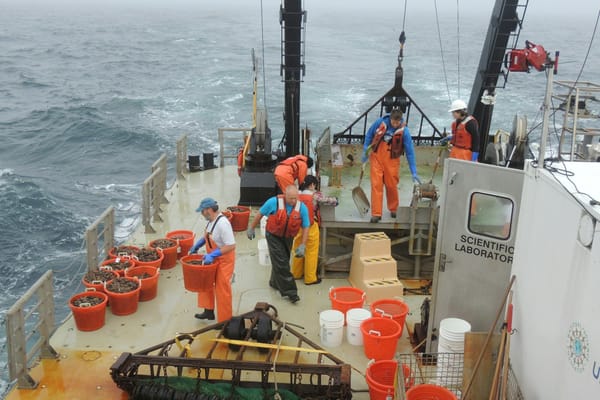
Collecting marine data has become cheaper, but measuring human impact hasn't. Why observation, interpretation, and assurance present three distinct hurdles.
Canadian Blue Finance
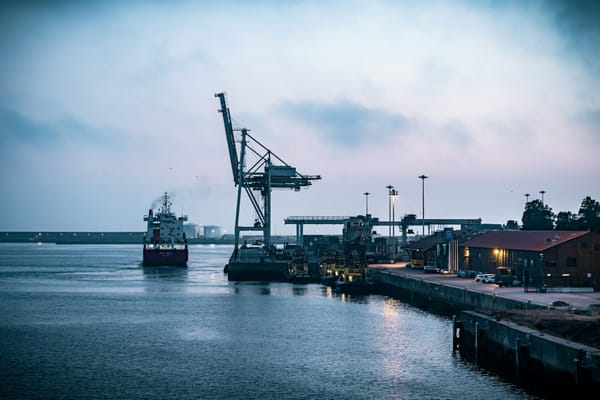
Flood, fisheries exposure, port disruption. Each one sits on a bank's register as its own category, and the ocean condition connecting them sits on none of them. What OSFI's climate guidance measures, what it leaves out, and why a risk nobody can measure well ends up mispriced.
Analysis & Evidence
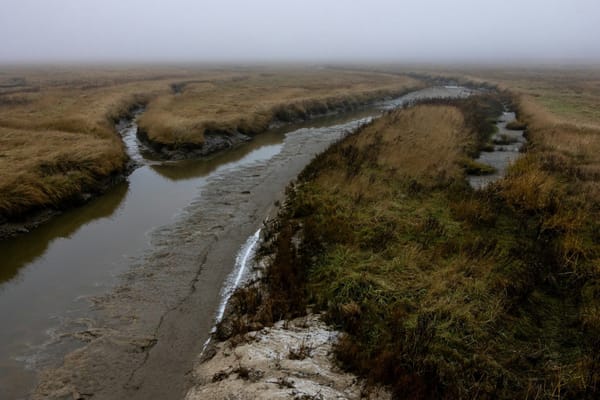
Coastal wetlands store carbon well. A lender needs reliable prices, an issuance record, a committed buyer and risk transfer. Few blue carbon projects yet combine all four, and Canada has not reached issuance.
Analysis & Evidence
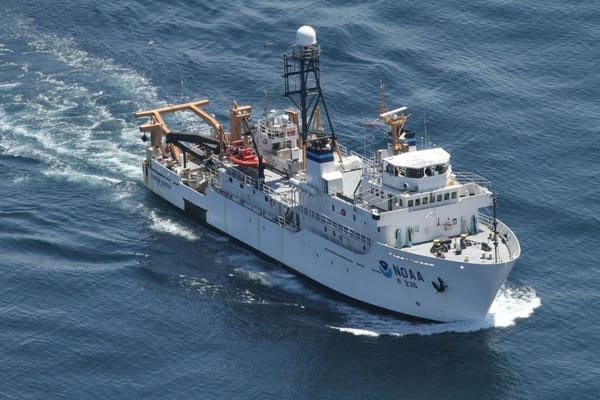
A fisheries stock assessment does more than count fish. It can determine the quota, license value and borrowing capacity, and in some cases whether a coastal community can finance the economic participation its rights make possible.
Analysis & Evidence
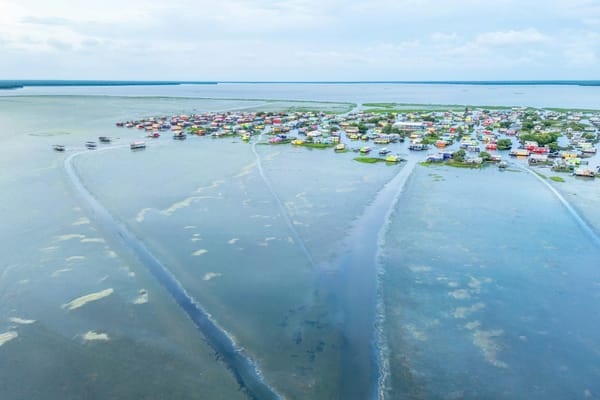
Canadian flood coverage has widened to most of the market, and what insurers still will not write is concentrated in a small number of high-risk homes. What they have learned there is not reaching lenders, governments, or municipalities.
Indigenous Stewardship
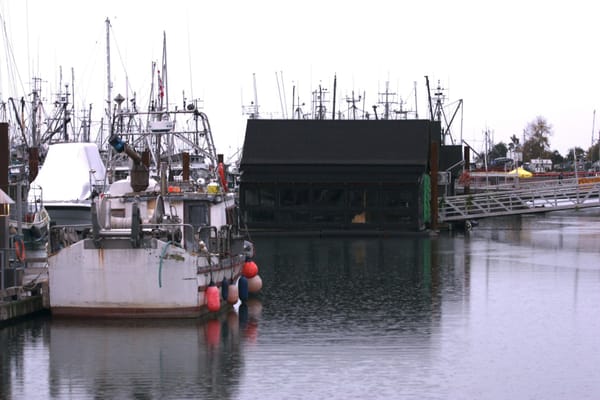
Reserve land can’t be pledged as conventional loan collateral. That constraint has shaped what Indigenous communities can finance, who can lend to them, and how stewardship, infrastructure and ownership are funded.

Organizations & Investors
More than 120,000 ocean observations flow into global forecasting systems every day, coordinated by a UNESCO body few could describe with precision. The data it maintains is what coastal risk models, catastrophe pricing, and blue finance rely on.
Rules & Regulation
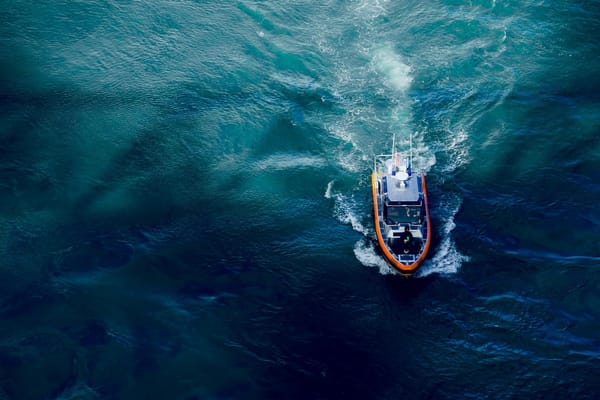
The UN Ocean Decade runs from 2021 to 2030 with seven ambitious outcomes. Its real contribution is narrower and more useful: making ocean ignorance less defensible, and lowering the information costs that make ocean-linked financial decisions hard to make well.
Canadian Blue Finance
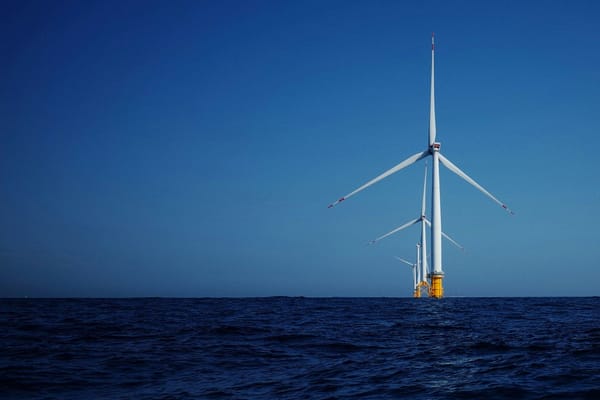
Canadian banks can classify a sustainable asset, sell a federal bond that funds marine conservation, and structure a blue bond in Mexico. What I cannot find is the condition of the ocean inside a Canadian credit decision.