Coastal Tourism: Finance

Tofino is one of Canada’s most economically successful coastal tourism destinations and one of its least livable communities for the people who make that success possible. That paradox is the entry point for understanding how coastal tourism finance actually works in Canada.

Share
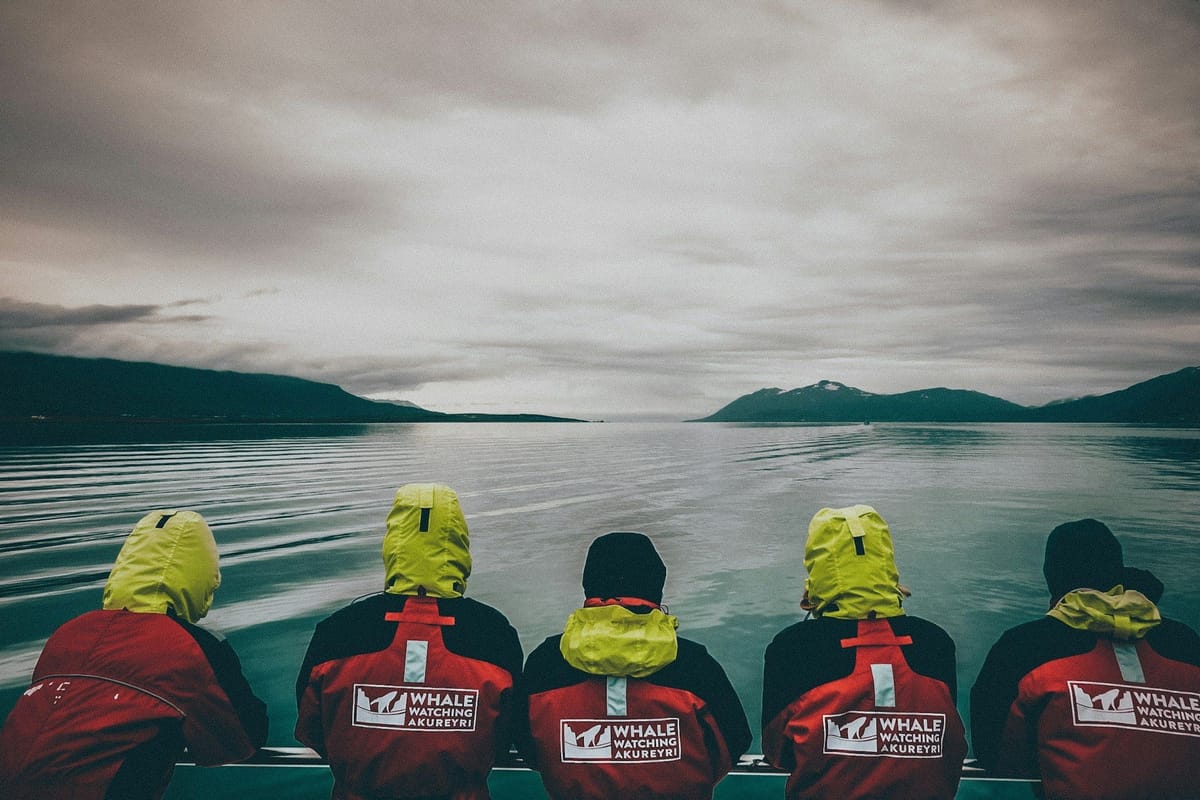
Five whale-watching passengers in red and yellow waterproof gear looking across calm coastal waters toward distant mountains.
Photo by Chris Yang / Unsplash

Tofino is one of Canada's most economically successful coastal tourism destinations. It is also one of its least livable communities for the people who make that success possible. Housing in Tofino has become so scarce and so expensive that service workers commute from Port Alberni, more than a hundred kilometres away, or live in temporary camps while working summer seasons at the lodges, restaurants, and tour operations that draw visitors from around the world. A 2023 housing report described the shortage as "very real and drastic." The BC government responded by funding 37 new rental units specifically for tourism workers. Ucluelet, Tofino's neighbouring community, enacted bylaw changes to limit short-term rentals after facing the same dynamic. The pattern is consistent enough to have a name: tourism-driven housing displacement, where the economic success of a destination raises property values and short-term rental returns to the point where long-term rental stock disappears and the workforce that sustains the industry cannot afford to live where it works.

That paradox is the entry point for understanding how coastal tourism finance actually works in Canada. Revenue flows to operators and property owners. Costs, including the cost of housing an unstable seasonal workforce, are increasingly borne by workers, communities, and governments. The gap between those two sides of the ledger is where the financial picture of Canadian coastal tourism becomes most interesting and most honest.
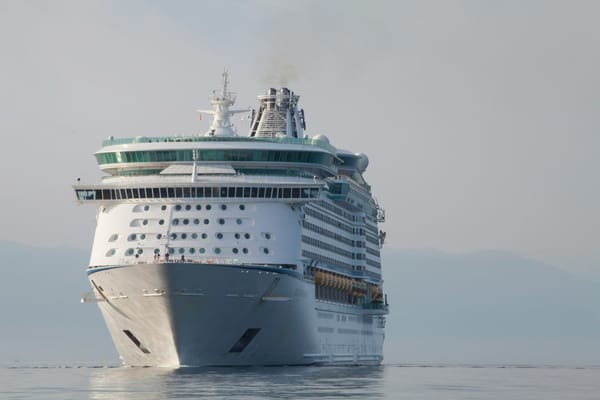
The capital structure of the sector reflects its fragmentation. At one end, cruise lines operate vessels worth hundreds of millions of dollars each, financed through global capital markets, managed by international corporations, and largely insulated from the communities their passengers briefly visit. Carnival, Royal Caribbean, and MSC between them account for the overwhelming majority of the 1.9 million cruise passengers who arrived in Canada in 2025. The onboard economy, accommodation, food, beverage, retail, and entertainment, stays within the cruise corporation. What reaches shore is the excursion revenue, the port fees, and the discretionary spending of passengers during their few hours ashore. Port authorities in Vancouver and Victoria have invested significantly in cruise terminal infrastructure, often with federal and provincial support, to capture more of that spending.

At the other end of the capital spectrum, a whale watching operator running one or two vessels out of a BC or Atlantic harbour is typically a small business financed through personal savings, a bank loan, and the revenue of a five to six month operating season. The capital requirements include the vessel, safety equipment, fuel, insurance, licensing, and mooring fees. Insurance is a meaningful cost given the liability exposure of carrying passengers on open water in variable weather conditions. Revenue is entirely dependent on bookings, which are dependent on weather, wildlife presence, and visitor volume in any given week. A run of poor weather or a late whale migration can materially affect an operator's annual income with no mechanism for recovery.

BC Ferries and Marine Atlantic sit in a different category entirely. Both are publicly owned and serve dual roles as community lifelines and tourism infrastructure. BC Ferries carried approximately 21 million passengers in a recent fiscal year across its route network connecting the BC mainland to Vancouver Island and the Gulf Islands. Marine Atlantic provides the essential ferry link between Nova Scotia and Newfoundland. Neither operates as a pure tourism business, but both are critical enablers of coastal tourism in regions where they operate, and their fare structures, schedules, and capacity directly affect visitor access to destinations that depend on them.

Indigenous tourism operations represent a structurally distinct financing model. The Indigenous Tourism Association of Canada supports entrepreneurs across the country in developing businesses that reinvest earnings into community development rather than returning capital to outside shareholders. Federal funding through ITAC and provincial programs provides development support, training, and marketing access that many small Indigenous operators could not otherwise afford. The model is less capital-intensive than resort or cruise tourism but more dependent on sustained public investment in capacity building. Where it works well, as in established Haida Gwaii cultural experiences or Nuu-chah-nulth guided tours on Vancouver Island, it generates revenue that stays in the community and supports cultural continuity alongside economic development.

The housing crisis has begun producing unconventional financial responses. In the Squamish and Whistler corridor, the idea of repurposing decommissioned cruise ships as worker accommodation has been explored as a way of rapidly adding housing capacity without the cost and timeline of conventional construction. Whether that approach proves viable at scale remains to be seen, but its emergence signals how acute the workforce housing problem has become in tourism-dependent coastal communities and how far outside conventional real estate finance the solutions may need to reach.

Seasonal cash flow is the financial reality that shapes everything else for the majority of coastal tourism operators. Most earn the bulk of their annual revenue in a window of twelve to sixteen weeks. Fixed costs, vessels, equipment, buildings, insurance, and licensing, run year-round. Labour costs spike in summer and collapse in winter. The result is a business model that requires operators to generate sufficient margin in the peak season to cover fixed costs across the full year, maintain equipment through the off-season, and retain enough key staff to reopen the following spring. That model works in good years in well-located destinations. In marginal locations, poor seasons, or communities where the workforce cannot find affordable housing, it is structurally fragile in ways that aggregate tourism revenue figures do not capture.