Coastal Tourism: Community, Environment, and the Limits of Growth

The problem is not that any single operator is doing something wrong. The problem is that the sum of individually legitimate decisions can produce outcomes that none of them, assessed alone, would justify. The whale does not appear in any balance sheet.

Share
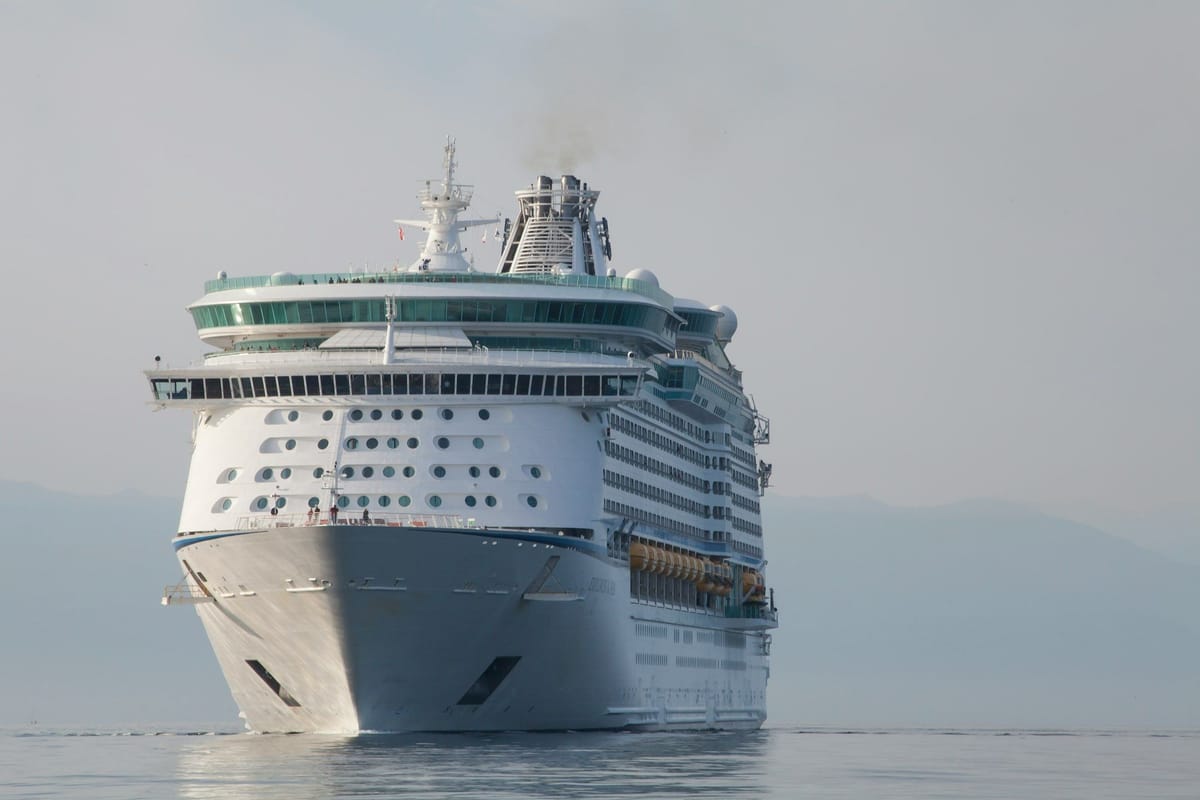
Large cruise ship travelling through calm coastal waters beneath a hazy sky.
Photo by Mike Grant / Unsplash

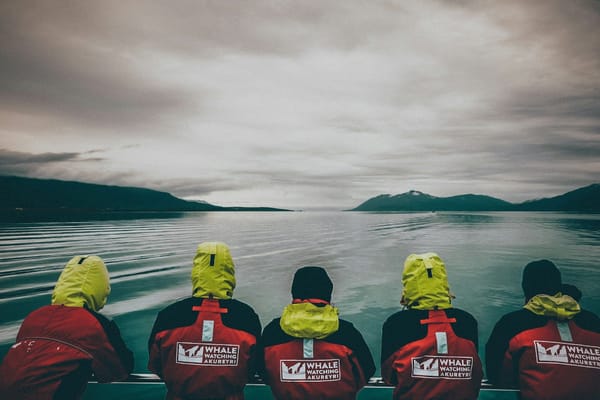
A humpback whale surfaces in the Salish Sea. Within minutes, three whale watching vessels have repositioned to within the legally permitted distance. On a busy summer day in peak season, a dozen or more boats may be present around a single animal or family group. Each operator is following the rules. Each is running a legitimate business. Each is providing an experience that visitors have traveled hundreds or thousands of kilometres to have. And the cumulative effect of all of them together, the noise, the movement, the constant presence of vessels around animals that need to feed, communicate, and rest, is a question that marine science has not fully resolved and that Canadian regulation has not fully addressed.

That scene captures something essential about the limits of growth in coastal tourism. The problem is not that any single operator is doing something wrong. The problem is that the sum of individually legitimate decisions can produce outcomes that none of those decisions, assessed on their own, would justify. Tourism economics tends to measure each transaction in isolation. The whale does not appear in any balance sheet. The cumulative effect of a season's worth of vessel traffic on an animal's feeding success or stress physiology is not captured in any operator's revenue report or any port authority's economic impact study. But it is real, and it is consequential, and it will eventually determine whether the asset that makes the business possible continues to exist.
That dynamic, where individual transactions are legitimate but cumulative effects are damaging, runs through every dimension of Canadian coastal tourism that is worth examining honestly.

On the environmental side, the cruise industry is the clearest example. In 2025, Canada received approximately 1.9 million cruise passenger arrivals. A single large cruise ship can consume more than 300,000 litres of fuel per day. A 2019 estimate found that over 31 billion litres of waste were discharged by ships along Canada's west coast in that year alone. Emissions from cruise vessels contribute to air quality problems in port cities and greenhouse gas accumulation at a scale that no ecotourism certification or shore-side sustainability initiative meaningfully offsets. Port Victoria and other Canadian ports have begun investing in shore power infrastructure to allow ships to plug into grid electricity while docked rather than running onboard generators, which is a genuine improvement. But it addresses only the dockside portion of a voyage whose overall carbon footprint remains very large. An analysis comparing cruise passenger emissions to equivalent land-based tourists found cruise travel generating roughly eight times the carbon impact. The gap between what the cruise industry says about sustainability and what the available evidence shows about its environmental performance is one of the more consequential mismatches in Canadian tourism.

On the community side, the housing crisis that tourism growth has produced in places like Tofino, Ucluelet, and parts of Cape Breton is not a side effect of success. It is a structural outcome of how tourism capital works. When a coastal destination becomes desirable, property values rise, short-term rental returns exceed long-term rental income, housing stock converts to visitor accommodation, and the workforce that sustains the tourism industry is progressively displaced from the community it serves. British Columbia found that almost 14,000 housing units, approximately two percent of the province's rental stock, had converted to short-term rentals by 2021. The communities most affected are precisely those where the tourism product is most dependent on a specific place, a coastline, a wildlife population, a cultural community, and where that place's character is most vulnerable to being consumed by the visitor economy built around it.

Indigenous-led tourism offers the most coherent alternative model available in the Canadian context, and it is worth taking seriously not just as a cultural or reconciliation argument but as a financial and governance argument. The stewardship-based tourism model that characterises the strongest Indigenous tourism operations in Canada, where visitor revenue is reinvested in community development and ecological stewardship rather than extracted by outside capital, produces different outcomes precisely because it is governed differently. The Haida cultural experience on Haida Gwaii, the spirit bear ecotours operated by First Nations in the Great Bear Rainforest, and the Inuit-led wildlife experiences in Nunavut all share a governance structure in which the community that bears the environmental and cultural costs of tourism also controls how much of it happens and on what terms. That is not how most Canadian coastal tourism is governed, and the difference in outcomes is visible.

The honest global comparison is instructive here. Norway, which Canada most frequently benchmarks against for coastal and fjord tourism, has invested systematically in shore power infrastructure, vessel emissions regulation, and marine protected area management in ways that Canada is only beginning to approach. Iceland has implemented visitor fees and capacity limits in sensitive natural areas. New Zealand has developed integrated conservation and tourism governance frameworks that give communities and conservation authorities genuine power over what happens in their territories. Canada markets itself as a pristine and responsible nature destination. The regulatory and governance infrastructure that would make that marketing accurate is still being assembled.

What the next decade of Canadian coastal tourism requires is not more visitors or more infrastructure but a more honest accounting of what tourism growth actually produces and for whom. The revenues are real. So are the emissions, the housing displacement, the wildlife disturbance, and the community strain. A financial framework for coastal tourism that captures only the first category and ignores the second is not a description of the industry. It is a subsidy to the interests that benefit most from keeping the second category invisible.

The whale surfaces again. The boats reposition. The season continues.