Arctic Infrastructure and Shipping: Canada's Ambition and Its Capacity Gap
Canada claims the Northwest Passage as internal waters. Russia, Norway, and the United States are building Arctic presence faster than Canada is. The sovereignty argument is well established; the physical capacity to back it is still being bought. A look at the gap between the two.

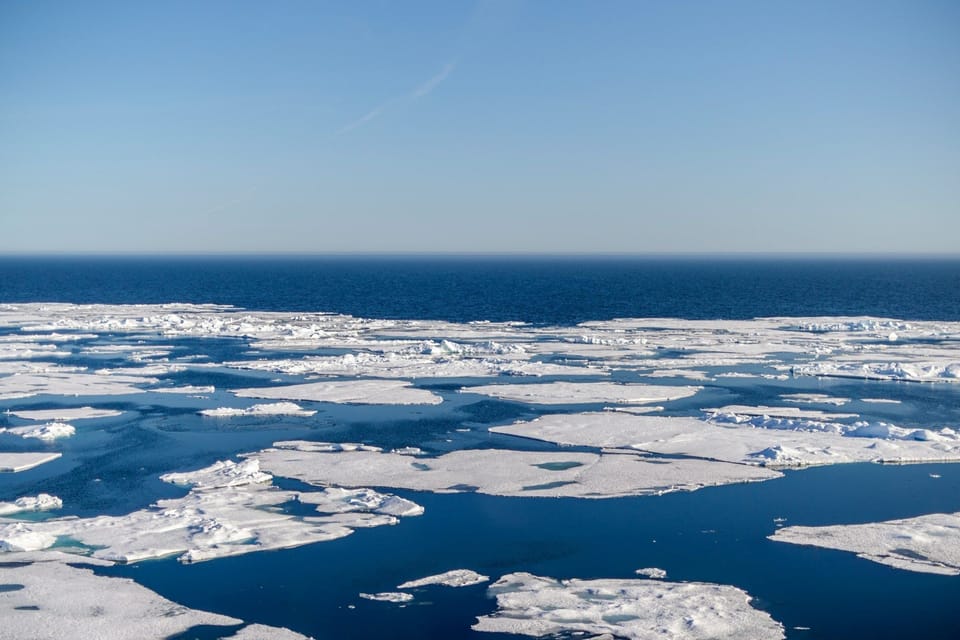
Canada and the United States have disagreed about the legal status of the Northwest Passage for decades. Canada insists the channels through its Arctic Archipelago are internal waters, subject to Canadian law and Canadian consent. The United States insists they are an international strait, open to free navigation by any flag. Neither country has pushed the dispute to formal resolution. Both have found it more convenient to manage the tension through diplomatic restraint than to force a legal conclusion that neither could fully control. That arrangement worked reasonably well when the Passage was largely inaccessible. A warming climate is changing that, and the political environment between the two countries in 2026 has added a layer of friction that makes the long-standing ambiguity harder to sustain.
That legal dispute is not an abstraction. It sits at the center of every serious discussion about Arctic shipping in Canada because it determines who has the right to use the Passage, on what terms, and under whose authority. If Canada's position is correct, vessels transiting the Northwest Passage require Canadian consent and must comply with Canadian environmental and safety standards. If the US position is correct, the Passage is open to transit by any state without Canadian permission. The practical consequences of those two positions are entirely different, and the question of which one prevails will determine the future of Arctic marine governance in ways that no amount of infrastructure investment can substitute for.
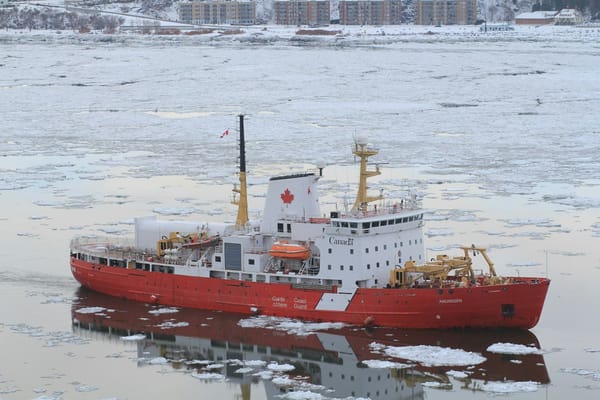
Canada's 2024 Arctic Foreign Policy statement reaffirms the internal waters position and commits to pragmatic diplomacy, new consular posts in Anchorage and Nuuk, a dedicated Arctic Ambassador, and enhanced engagement with allies and Indigenous partners. These are meaningful diplomatic moves. What the policy does not contain is a credible new funding commitment for the physical infrastructure that would make Canada's Arctic presence commensurate with its sovereignty claims. The eight new Coast Guard icebreakers, including two polar-class vessels, are the most substantial concrete commitment in the document, and they were announced before the policy itself. The CAD 1 billion Arctic Infrastructure Fund was similarly announced separately. The 2024 foreign policy is better understood as a reaffirmation of direction than as a new strategic investment.