Finance and the Ocean Are One System
A fishing boat belongs to somebody, feeds a family, and rests on a stock that may or may not be there next year. The divisions between those things are ours, not the ocean's.
Read essay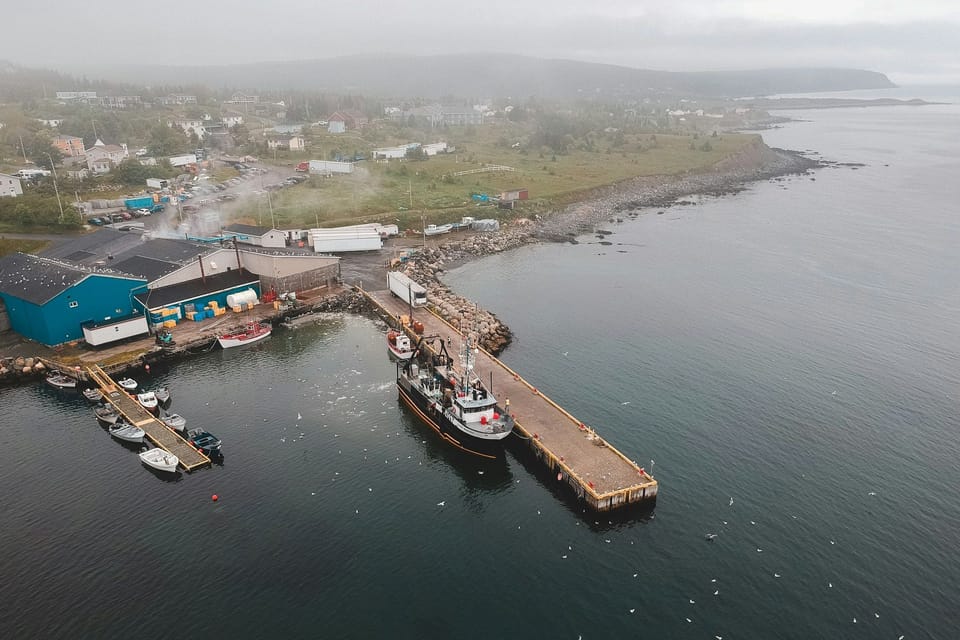

The health of the ocean reflects choices made across generations, including choices made in finance. Blue Finance Canada brings those downstream effects into view and examines what it would mean for finance to take greater responsibility for them.
A few pieces that show how this publication thinks.
A fishing boat belongs to somebody, feeds a family, and rests on a stock that may or may not be there next year. The divisions between those things are ours, not the ocean's.
Read essay
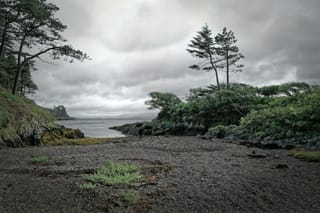
Construction lenders do not release funds until an independent surveyor confirms the work was done. Blue finance has strong mechanisms for tracking where money goes, but much weaker ones for verifying what happened in the water. The capacity to close that gap already exists on Canada’s three coasts.
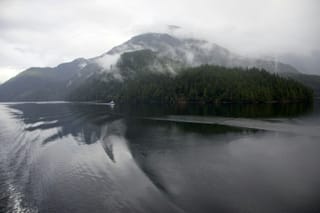
Most conservation funding runs out when the political cycle turns. The Great Bear Sea agreement was built to outlast that: $335 million, an endowment at its core, and Indigenous governance as the foundation, not the recipient.
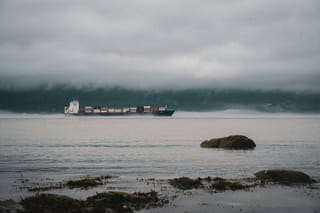
Financing an ocean industry is not the same as blue finance. What the term covers, where its boundary sits, what the major frameworks refuse to fund, and how far Canada has got.
Choose the path closest to the work you already know.
Begin with how lending, investment, risk and capital allocation connect to ocean outcomes in Canada.
Begin with how finance influences ocean industries, conservation, Indigenous stewardship and coastal life.
Begin with the evidence, institutions and public decisions that shape what gets financed, governed and protected.
New analysis, commentary and research.
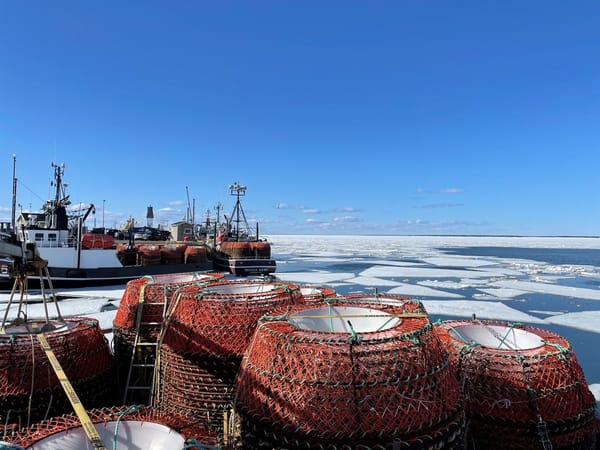
Canada’s ghost-gear work shows why funding for prevention and recovery needs to last beyond a pilot.

A Canadian director can raise ocean exposure at the board. The harder problem is that the exposure is spread across functions and nobody owns the whole picture.
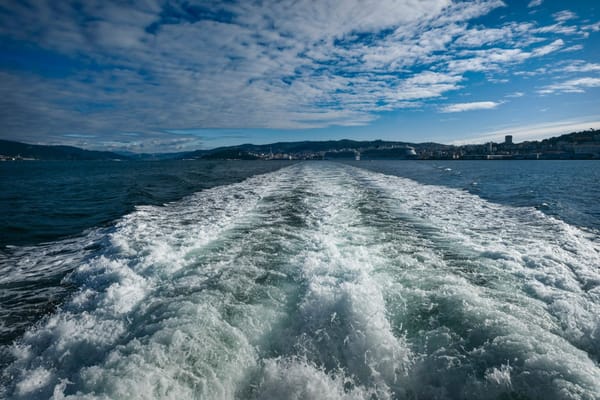
A missed payment follows a borrower to the next lender. A fuel spill in a First Nation's fishing grounds usually doesn't. Why environmental history stays behind, and where it travels.
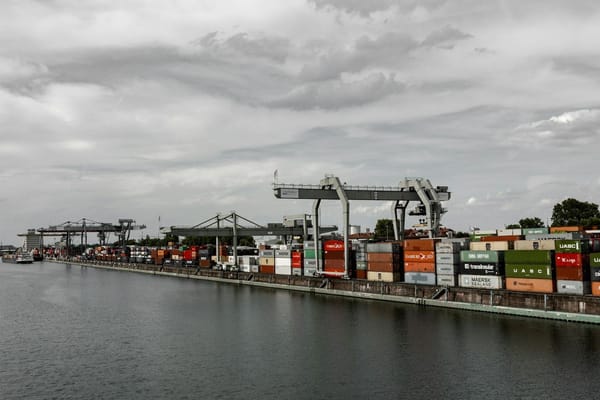
A pension liability and a port terminal share an unusual trait: both run for decades. That makes pension capital a natural home for ocean infrastructure, and Canada's funds already hold it. What they lack is an allocation category that would let them fund the ocean economy on purpose.
Each Research Dossier looks at an industry from four perspectives: the main findings, how the industry works, its relationship with the ocean, and the role of finance. Here’s one.
A four-part Research Dossier connecting how the industry works, its relationship with the ocean, and the role of finance.
A concise synthesis for readers who want the main findings and implications.
Coming soonHow the industry works, where value is created, and what its structure means.
Read the reportWhat the industry depends on, what it changes, and where ecological limits matter.
Coming soonHow capital supports the industry and where better alignment with ocean sustainability is possible.
Read the reportOur monthly newsletter covering significant developments in Canadian blue finance, ocean investment and marine stewardship.
Subscribe to Blue CurrentsA monthly measure of the maturity of blue finance in Canada, and how it’s evolving. Published as part of Blue Currents.
Explore the Blue Register