The Players in the Blue Economy
Governments, industry, lenders, insurers, scientists, Indigenous nations, and coastal communities all decide what happens to the ocean, on incentives that run on different clocks. A map of who holds leverage, and why their decisions so reliably pull apart.

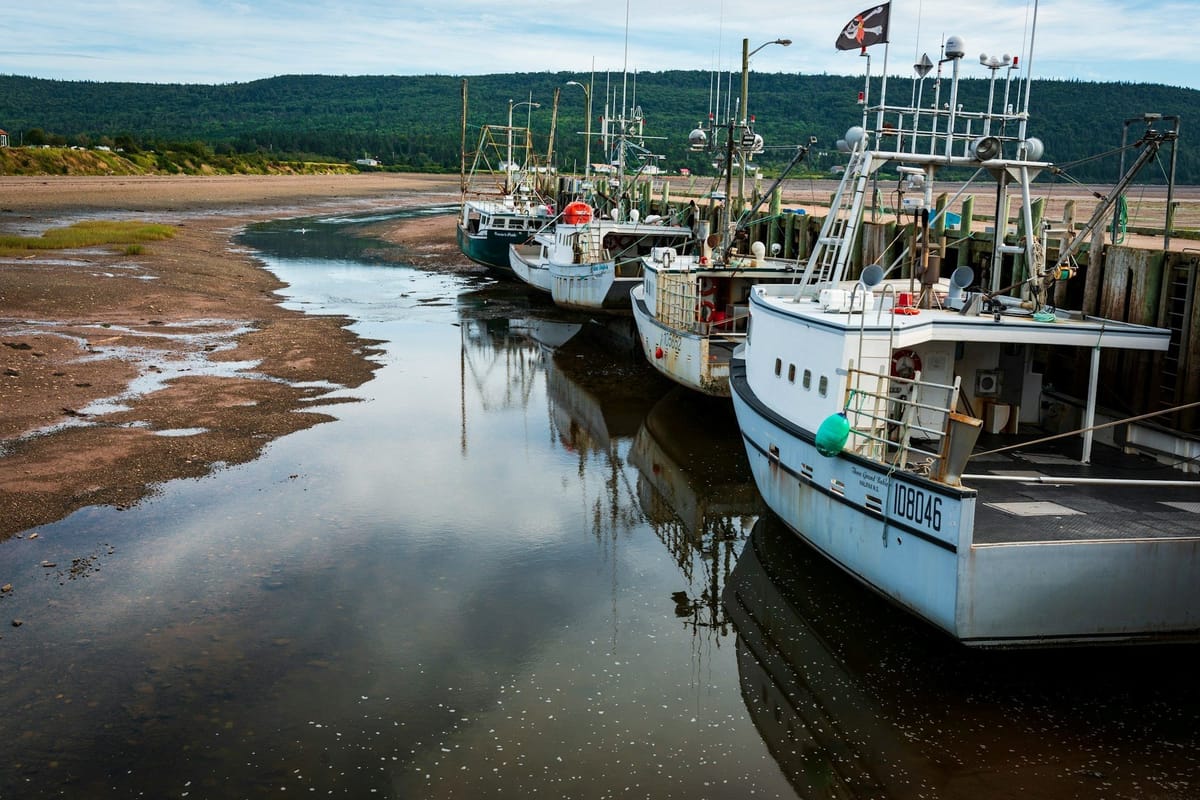
The ocean economy does not have a single owner, a single regulator, or a single set of incentives driving it. It is the product of decisions made by a wide range of actors whose interests overlap in some places and conflict sharply in others. Understanding who those actors are, what they want, and where their power comes from is the starting point for understanding how ocean outcomes are actually produced.
This is a map of the categories of actors whose decisions collectively determine what happens to ocean systems, and an honest account of why those decisions pull in different directions.
Governments set the legal framework within which everything else operates. In Canada, that means federal authority over fisheries, navigation, and marine protected areas, provincial authority over coastal land use and some resource sectors, and territorial governments managing an expanding set of responsibilities in the North. Governments also control public capital flows through institutions like the Canada Infrastructure Bank and, more recently, sovereign wealth mechanisms. Their incentive structure is complicated: elected governments respond to short electoral cycles while ocean systems operate on timescales of decades. The gap between those two horizons is one of the more persistent sources of policy instability in ocean governance.
Indigenous nations occupy a distinct position that the conventional stakeholder category does not capture. In many parts of Canada they are rights holders whose constitutional authority over marine territories is established in law and is now reflected in how conservation finance and resource governance are structured. The Qikiqtani Inuit Association co-governs Tallurutiup Imanga. Coastal First Nations sit at the centre of the Great Bear Sea financing arrangement, not at its edges. These are governance relationships, and the distinction from consultation matters enormously for anyone thinking about how capital connects to ocean outcomes in Canada.
Industry operators, including fishing companies, aquaculture producers, shipping firms, offshore energy developers, and coastal tourism operators, are the actors whose day-to-day decisions most directly affect what the ocean looks like on the water. Their incentive is to extract value from ocean systems at a cost that makes their businesses viable. In well-governed fisheries that incentive aligns reasonably well with long-term sustainability. In poorly governed ones it does not. The gap between what industry operators need in the short term and what ocean systems can sustain over longer periods is the central tension that blue finance is trying to address through how capital is structured and deployed.
Financial institutions, including banks, credit unions, pension funds, and development finance institutions, determine which activities move forward and under what conditions by controlling access to capital. A fishing company cannot expand its fleet without financing. An aquaculture operation cannot build new infrastructure without credit. An offshore wind developer cannot reach financial close without institutional investors. That control gives financial institutions significant influence over ocean outcomes, most of which they do not currently exercise with ocean systems in mind. The loan terms, the underwriting criteria, and the portfolio construction decisions that financial institutions make every day carry consequences for ocean health, and they are made within frameworks that were not designed to reflect those consequences.
Insurers occupy an underappreciated position in this system. They price risk for a living, and the risks they are most focused on, coastal flooding, storm intensity, fisheries volatility, infrastructure exposure, are driven by ocean conditions. Insurance markets are already withdrawing from some coastal geographies and repricing others in ways that will eventually force capital to follow. In that sense insurers are functioning as an early warning system for the broader financial sector, translating ecological and climate risk into the language that capital markets understand. What they know about ocean risk is more current and more precise than what most lenders and investors have incorporated into their own frameworks.
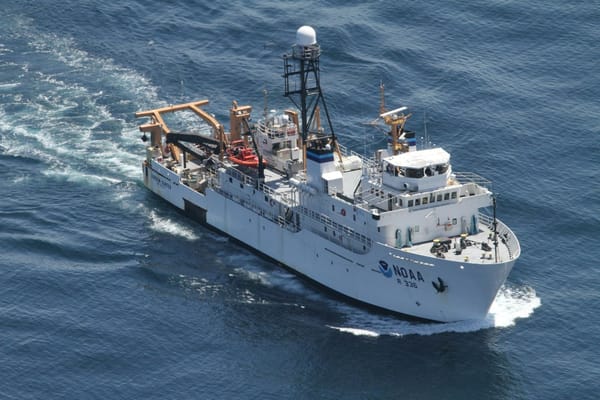
Scientists and monitoring organisations generate the information that the rest of the system depends on. Stock assessments that determine fisheries quotas, ocean temperature records that inform climate projections, biodiversity surveys that underpin marine protected area designations: none of these decisions can be made well without reliable data. The organisations that produce that data, federal science agencies, university research programs, independent monitoring platforms, sit at a remove from the financial and governance decisions their work informs, which means the connection between what science produces and what capital or policy does with it tends to be weaker than it should be.
Conservation organisations and NGOs provide accountability that governments and industry cannot provide for themselves. They monitor commitments, publish assessments of progress, and maintain public pressure on the gap between stated policy and actual outcomes. Their influence is informal, operating through narrative, legal intervention, and the credibility that comes from sustained independent scrutiny. In Canada, organisations like Oceana Canada and the Canadian Parks and Wilderness Society do this consistently enough that their assessments have become reference points for evaluating government performance on ocean protection.
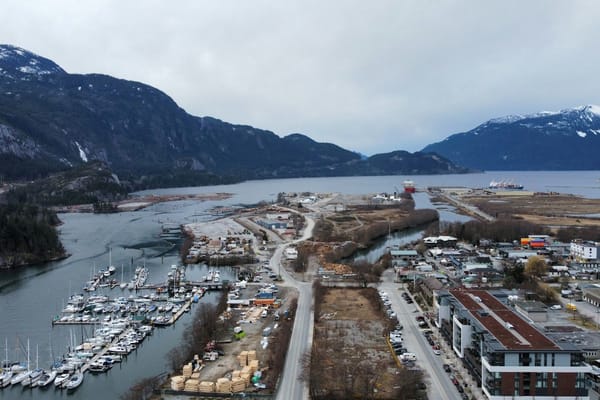
Coastal communities are the actors who live most directly with the consequences of how all the others behave. A fishing community in Atlantic Canada, an Indigenous village on the central coast of British Columbia, a coastal tourism economy in the Gulf Islands: these are the places where decisions made in boardrooms, legislatures, and international negotiating rooms land. Their livelihoods depend on fisheries that stock assessments and quota decisions determine. Their infrastructure sits in the path of storms whose intensity ocean heat content influences. Their cultural continuity is tied to marine systems whose health reflects the sum of every industrial, financial, and governance decision described above.
What makes ocean governance difficult is structural: overlapping jurisdictions, misaligned time horizons, and genuinely competing interests that make coordinated action hard to achieve and easy to defer. A government responding to a fishing community's economic concerns and a conservation organisation documenting stock decline are not necessarily acting in bad faith; they are responding to different pressures on different timescales with different information. The financial institutions providing capital to both are largely doing the same.
Blue finance does not resolve that complexity; it is an attempt to ensure that capital, which flows through all of these relationships, is allocated with a clearer understanding of the systems it is affecting. That requires knowing who the actors are, what they want, and where the points of leverage actually sit.