The Industries of the Blue Economy

Canada has significant ocean exposure on three coasts. This series profiles the major industries operating within that economy: how capital flows through them, and what the financial picture actually looks like beneath the headline numbers.

Share
The Industries of the Blue Economy
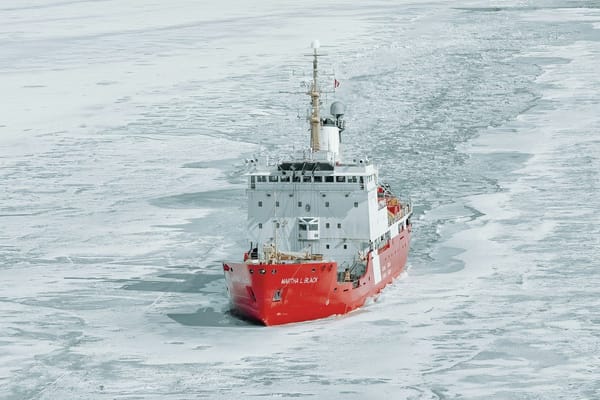
Photo by Luke Lawreszuk / Unsplash

Canada is one of the few countries in the world with significant ocean exposure on three coasts. The Pacific, the Atlantic, and the Arctic each support distinct industries, distinct governance arrangements, and distinct relationships between economic activity and ocean health. Taken together, they constitute an ocean economy that is larger, more complex, and more financially consequential than most analysis of the Canadian economy acknowledges.

This series profiles the major industries operating within that economy. Each series covers three posts: the economic landscape, the financial picture, and a third post that examines the governance, environmental, or strategic tension that defines where the industry is headed. The profiles are not investment recommendations. They are not advocacy for any particular policy position. They are an attempt to describe how these industries actually work, how capital flows through them, and what the conditions are under which financial decisions affecting them are made.

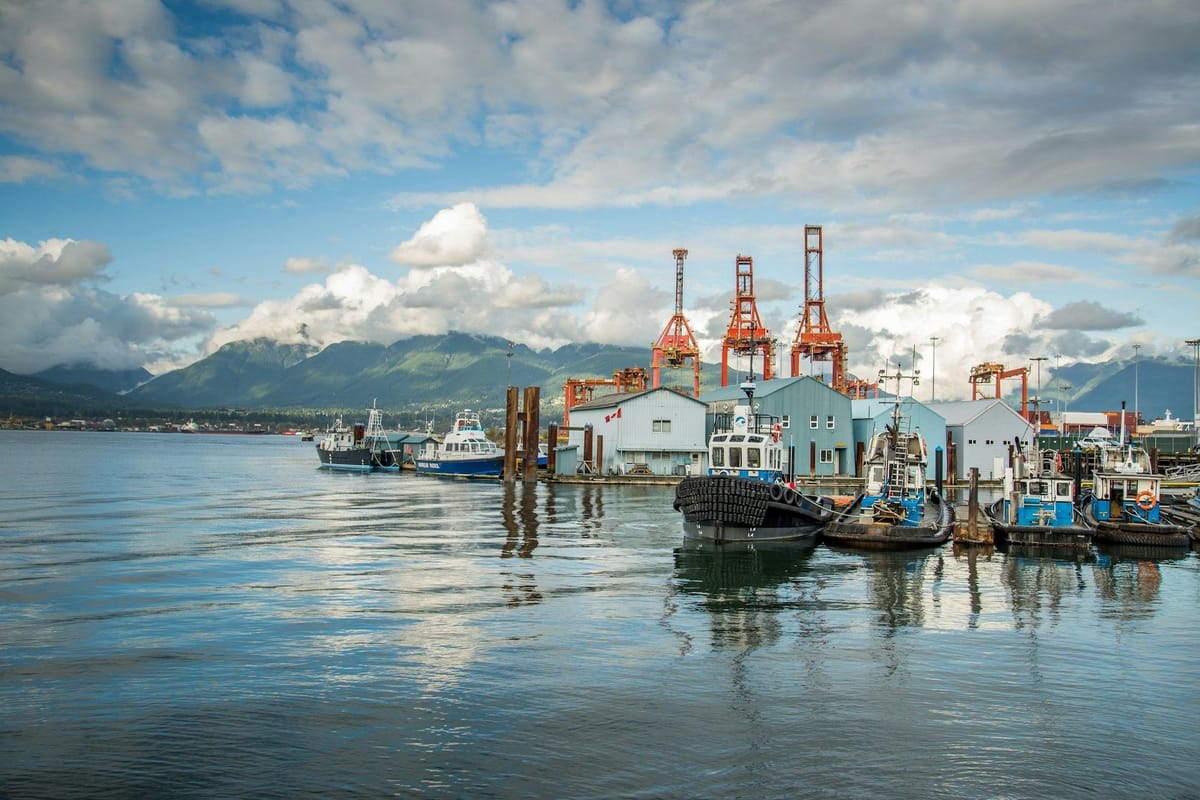
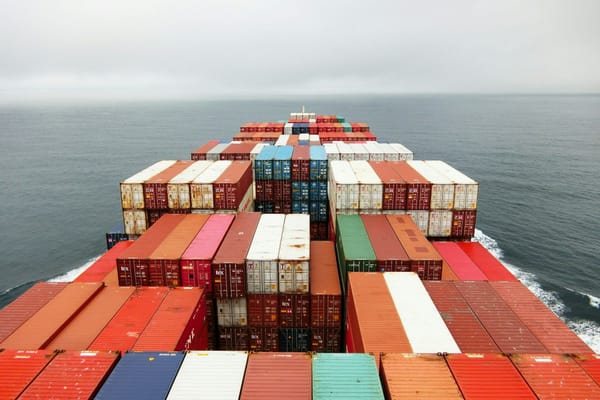
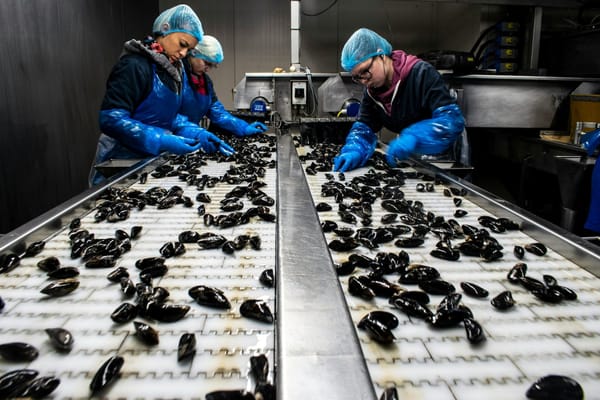
The industries covered are fisheries, shipping and ports, aquaculture, offshore energy, Arctic infrastructure, marine technology and ocean monitoring, coastal tourism, shipbuilding and naval infrastructure, and blue carbon. They range from some of Canada's oldest resource sectors to emerging industries that barely existed a decade ago. What they share is a direct relationship with ocean systems, and a set of financial and governance questions that standard sector analysis tends to understate or miss entirely.

A few observations apply across all of them.

The gap between announced and operational recurs in almost every sector. Canada has significant offshore wind potential and almost no operational capacity. The National Shipbuilding Strategy has produced commitments that have taken longer and cost more than projected. Arctic infrastructure investment is consistently described as a priority and consistently underfunded relative to what the geography actually requires. Treating announced intentions as equivalent to delivered outcomes is one of the more persistent errors in how these industries are discussed publicly, and the profiles try to maintain that distinction throughout.

The difference between economic scale and financial complexity is another recurring theme. Canadian fisheries generate billions in export revenue annually. The financial picture of the industry, its capital structure, its exposure to currency risk, its dependence on access rights that are legally contested in some regions, is considerably more complicated than the headline numbers suggest. The same is true across most of the sectors covered. Scale is visible. The financial reality underneath it requires more careful examination.

Indigenous governance is not a peripheral consideration in any of these industries. It is a structural feature of how they operate, how they are regulated, and increasingly how they are financed. The Clearwater transaction restructured the largest shellfish harvesting company in Canada with Indigenous ownership at its centre. The BC aquaculture transition is inseparable from the rights and title questions that surround salmon farming on the Pacific coast. Arctic development of any kind operates within a framework of Inuit land claims and co-governance arrangements that determine what is legally and practically possible. The profiles treat Indigenous governance as central to each sector rather than as a separately filed consideration.

The relationship between these industries and ocean health is direct but not uniform. Some sectors depend on healthy ocean systems for their viability: fisheries and aquaculture cannot survive the collapse of the stocks and ecosystems they depend on. Others generate pressures on those systems as a byproduct of normal operations: shipping noise, port runoff, offshore energy infrastructure. Understanding that relationship, and what it means for how risk is assessed and capital is allocated, is the purpose the profiles are intended to serve.

Reading them individually provides a picture of each sector. Reading them together provides something more useful: a map of how Canada's ocean economy actually functions, where the financial opportunities and constraints lie, and what the conditions are under which blue finance can connect capital to better ocean outcomes.