Fisheries: Indigenous Rights and Governance

Two Supreme Court decisions changed the legal landscape of Canadian fisheries. The practical consequences are still playing out in how licences are allocated, how capital flows, and how co-management decisions get made.

Share
Fisheries: Indigenous Rights and Governance
Photo by Isaac Demeester / Unsplash

Indigenous participation in Canadian fisheries is constitutionally grounded, judicially defined, and increasingly central to how the industry is governed, financed, and operated. It shapes how licences are allocated, how co-management decisions are made, and how commercial capital flows into coastal communities. Understanding it is not optional for anyone thinking seriously about the future of Canadian fisheries.

Two Supreme Court of Canada decisions established the legal foundation that still governs the field. In R. v. Sparrow in 1990, the Court held that the Musqueam Nation had an Aboriginal right to fish for food and ceremonial purposes, that this right was protected under section 35 of the Constitution Act, and that it takes priority after conservation. In R. v. Marshall in 1999, the Court affirmed a treaty right for Mi'kmaq communities in Atlantic Canada to fish, hunt, and gather in pursuit of a moderate livelihood. Both decisions changed not just the legal landscape but the practical one. They established that Indigenous harvesting rights are not grants from the Crown that can be withdrawn at will. They are prior rights that the Crown must accommodate.

DFO has built programs around this reality. The Aboriginal Aquatic Resource and Oceans Management program supports Indigenous groups in building fisheries management capacity and participating in advisory and co-management processes. Communal commercial licences, issued to Indigenous organizations rather than individuals, allow communities to participate in commercial fisheries and sell their catch. These are real mechanisms, but they do not by themselves resolve the deeper questions about allocation, jurisdiction, and economic participation that Indigenous communities, commercial harvesters, and governments continue to negotiate.

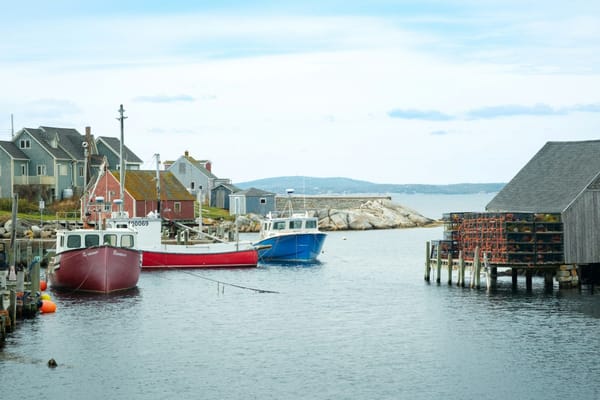
The Clearwater Seafoods transaction in 2021 showed what Indigenous commercial participation can look like at scale. Membertou First Nation and a coalition of Mi'kmaq partners became co-owners of one of Canada's largest vertically integrated shellfish enterprises, with access to licences covering lobster, scallops, clams, and other species across Atlantic Canada. The transaction was significant not just as a business deal but as a governance moment: it placed Indigenous ownership at the centre of a major commercial enterprise rather than at its margins, and it connected constitutionally protected rights to commercial capital in a way that had not been done at that scale before.

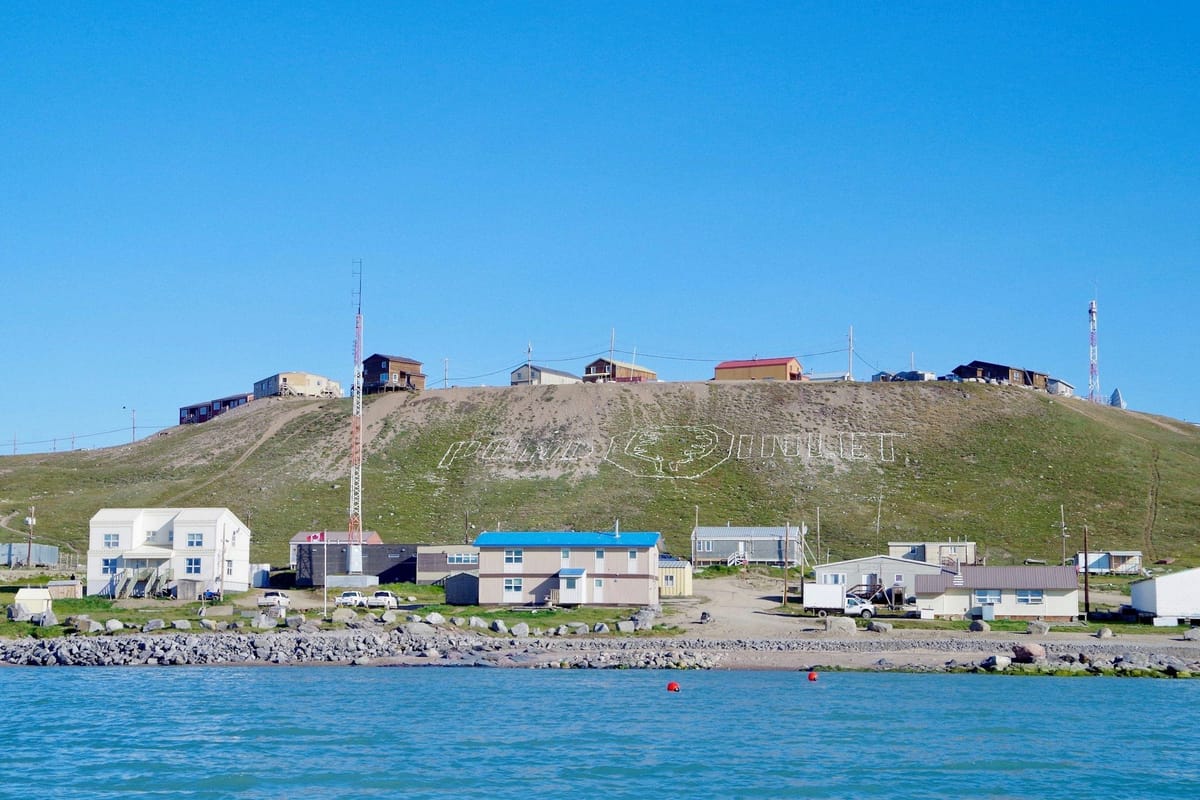
In the North, co-management is not a program. It is the architecture through which fisheries decisions are made. The Nunavut Wildlife Management Board, established under the Nunavut Agreement, is a central institution of public government for wildlife and fisheries in the Nunavut Settlement Area. Its Fisheries Advisory Committee provides advice on allocations of commercial resources including Greenland halibut and shrimp. In the Inuvialuit Settlement Region, the Fisheries Joint Management Committee administers fisheries rights and obligations under the Inuvialuit Final Agreement. These structures do not simply advise federal authorities. They materially change how authority is exercised and how benefits flow to northern communities. Baffin Fisheries Coalition, which holds and markets offshore turbot and shrimp allocations in Nunavut, illustrates how those governance structures can translate into meaningful economic participation.

The tensions in this space are real and ongoing, and naming them honestly is more useful than suggesting the system is working smoothly.

In Atlantic Canada, the scope and implementation of moderate livelihood fisheries remain contested more than two decades after Marshall. The pace at which DFO has expanded Indigenous commercial access has been a persistent point of friction, with some Indigenous communities arguing that progress has been too slow and that DFO has not adequately fulfilled its obligations under the decision. Some incumbent commercial harvesters, meanwhile, have argued that new Indigenous access threatens the stability of existing allocations and the conservation framework that underpins them. Those positions reflect genuine competing interests, and neither the courts nor governments have fully resolved the underlying allocation questions.

On the Pacific coast, the tensions take a different form. Rights-based fishing, habitat protection, Pacific salmon conservation, and commercial access are tightly intertwined in a system already under severe biological pressure. Indigenous organizations have consistently pushed for stronger recognition of their jurisdiction and knowledge systems in salmon management decisions. DFO's Pacific Salmon Strategy Initiative acknowledges Indigenous leadership as central to recovery efforts, but the gap between that acknowledgement and the practical realities of stock allocation, habitat governance, and hatchery management remains significant. In a fishery where total allowable catches are shrinking, every allocation decision carries more weight.

Across regions, a structural gap persists between constitutional recognition and operational reality. Section 35 rights are affirmed. UNDRIP obligations are formally acknowledged. But the translation of those commitments into specific allocations, management authority, and economic benefit happens through processes that are still contested, often slow, and sometimes challenged in court. Indigenous organizations have repeatedly made the point that consultation is not the same as consent, and that meaningful participation requires resources, capacity, and genuine decision-making authority, not just a seat at the table.

For anyone thinking about capital and ocean outcomes in Canada, this is not background context. It is foreground. The most durable and well-structured conservation finance arrangements in Canadian fisheries, from the Clearwater transaction to the Nunavut co-management model, have succeeded precisely because they took Indigenous governance seriously as a design requirement rather than a compliance checkbox. The arrangements that have struggled have often done so because they treated Indigenous participation as something to be managed rather than something to be built around.